Whole-Person Recovery: Why Combining Eastern and Western Medicine Can Strengthen Mental Health Treatment
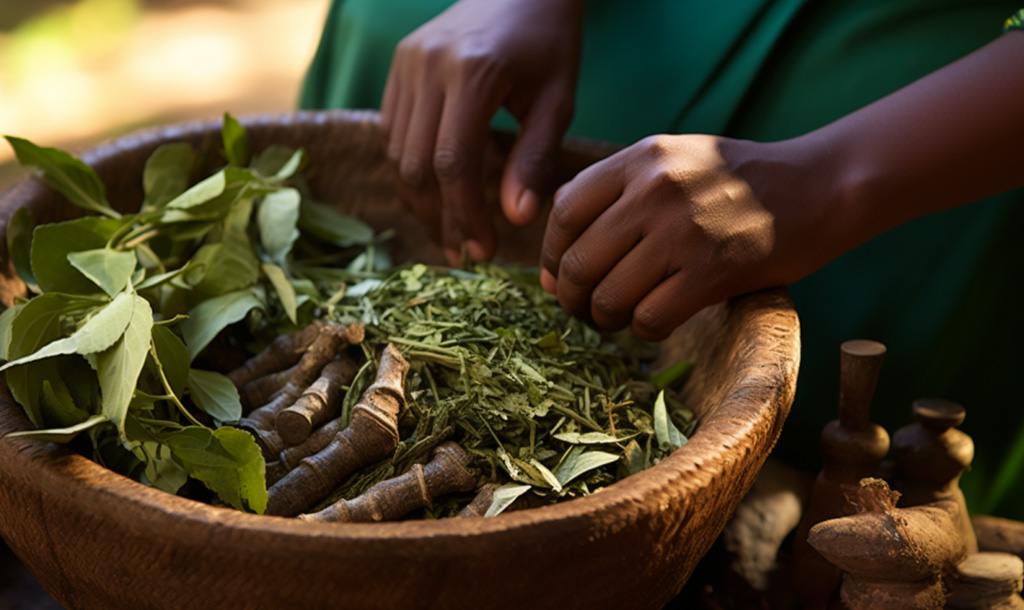
Mental health recovery is about far more than reducing symptoms. True healing involves restoring emotional balance, improving physical well-being, strengthening relationships, and helping individuals rediscover purpose and hope. For those facing mental health disorders alongside addiction, this process can be even more complex. Fortunately, modern recovery care continues to evolve by embracing the strengths of both Western medicine and Eastern healing traditions. Rather than viewing these approaches as competing philosophies, many treatment providers now recognize that combining evidence-based clinical care with holistic wellness practices creates a more complete and personalized path to recovery. This whole-person approach supports healing at every level and empowers individuals to build healthier, more fulfilling lives.
Understanding Whole-Person Recovery
Whole-person recovery recognizes that mental health and addiction affect every aspect of an individual’s life. Emotional distress can influence physical health, relationships, work performance, spiritual well-being, and overall quality of life. Likewise, unresolved trauma, chronic stress, or untreated mental health conditions often contribute to substance use disorders.
Treating only one part of the problem rarely leads to lasting success. Comprehensive care addresses the physical, emotional, psychological, social, and spiritual factors that influence recovery. This philosophy aligns with both modern behavioral healthcare and many traditional Eastern healing practices.
The Strengths of Western Medicine in Mental Health Treatment
Western medicine has transformed the treatment of mental health disorders through decades of scientific research and clinical innovation. Its evidence-based methods provide structured support for individuals experiencing anxiety, depression, trauma, bipolar disorder, substance use disorders, and many other conditions.
Evidence-Based Therapy Creates Practical Change
Professional counseling remains one of the most effective tools in mental health treatment. Therapies such as Cognitive Behavioral Therapy, dialectical behavior therapy, motivational interviewing, and trauma-informed counseling help individuals understand how their thoughts, emotions, and behaviors influence one another.
These therapies provide practical strategies that improve emotional regulation, reduce negative thinking patterns, strengthen communication skills, and help individuals respond more effectively to life’s challenges.
For people recovering from addiction, therapy also addresses triggers, cravings, relapse prevention, and the underlying emotional issues that often fuel substance use.
Medical Support Provides Stability
Medication can be an important part of treatment for some individuals. Under professional supervision, medications may help manage depression, anxiety, mood disorders, or withdrawal symptoms while individuals participate in therapy and develop healthier coping skills.
Western medicine also provides multiple levels of care, including inpatient treatment for individuals requiring intensive support and outpatient programs that allow continued therapy while maintaining daily responsibilities.
How Eastern Healing Supports Mental Wellness
Eastern healing traditions emphasize balance, prevention, and harmony throughout the entire person. These practices encourage individuals to develop healthy daily habits while strengthening awareness of their emotional and physical well-being.
Mindfulness Helps Manage Emotional Challenges
Mindfulness has become one of the most valuable contributions of Eastern philosophy to modern mental health care. Learning to observe thoughts and emotions without judgment allows individuals to respond thoughtfully rather than reacting impulsively.
Regular meditation practice has been shown to improve concentration, reduce stress, support emotional regulation, and increase resilience during difficult situations. These benefits can strengthen recovery while improving overall quality of life.
Breathing exercises and relaxation techniques also help calm the nervous system, making them useful tools for managing anxiety, cravings, and emotional distress.
Holistic Wellness Encourages Healthy Living
Eastern medicine recognizes that daily lifestyle choices influence emotional and physical health. Nutrition, sleep, physical movement, and stress management all contribute to mental wellness.
Practices such as yoga encourage flexibility, body awareness, and relaxation while helping individuals reconnect with themselves in positive ways. These healthy routines complement clinical treatment by reinforcing emotional stability outside therapy sessions.
Many individuals also find comfort through spiritual reflection or faith-based practices. Whether through prayer, gratitude, meditation, or quiet contemplation, spiritual wellness often provides hope and motivation throughout recovery.
Why Combining Eastern and Western Medicine Works
The greatest strength of integrated care lies in its ability to address multiple dimensions of healing simultaneously.
Comprehensive Care Supports Lasting Recovery
Western medicine provides clinical expertise, structured treatment plans, medical supervision, and evidence-based therapy. Eastern healing contributes mindfulness, stress reduction, healthy lifestyle practices, and emotional balance.
Together, these approaches support healing of the mind, body, and spirit while helping individuals develop practical skills they can continue using long after formal treatment ends.
Instead of focusing only on managing symptoms, integrated treatment promotes overall wellness and personal growth.
Individualized Treatment Meets Unique Needs
Every person enters recovery with different experiences, strengths, and challenges. Effective treatment recognizes these differences by developing personalized care plans that reflect each individual’s goals and circumstances.
Some people benefit from inpatient treatment followed by outpatient counseling and holistic wellness activities. Others may find additional support through family therapy, faith-based counseling, nutritional guidance, or mindfulness training.
Individualized care allows treatment professionals to adjust services as recovery progresses, ensuring continued support at every stage of healing.
Recovery Extends Beyond the Treatment Center
Mental health recovery continues long after formal treatment concludes. Maintaining progress requires healthy routines, supportive relationships, emotional resilience, and ongoing self-care.
Combining Eastern and Western medicine equips individuals with a broad range of tools they can use throughout everyday life. Evidence-based therapies help manage future challenges, while mindfulness and holistic wellness practices encourage lifelong balance and personal growth.
This combination builds confidence, strengthens coping abilities, and reduces the likelihood of relapse by addressing both immediate concerns and long-term well-being.
Conclusion
Whole-person recovery recognizes that lasting healing requires more than treating symptoms alone. By combining the scientific strengths of Western medicine with the holistic wisdom of Eastern healing traditions, individuals receive comprehensive care that supports every aspect of mental health and addiction recovery.
Evidence-based therapy, medical support, mindfulness, healthy lifestyle habits, spiritual growth, and personalized treatment all work together to create a stronger foundation for lifelong wellness. If you or someone you love is struggling with addiction or mental health challenges, seeking compassionate professional care can be the beginning of meaningful transformation. With an individualized treatment plan that addresses the whole person, recovery becomes more than possible. It becomes a pathway to renewed health, hope, and lasting fulfillment.