Healing Across Cultures: What Western and Eastern Medicine Teach About Whole-Person Care
Addiction recovery and mental health treatment are deeply personal journeys. While Western medicine provides structured, evidence-based therapies, Eastern healing traditions offer holistic methods that nurture the mind, body, and spirit. When these approaches are combined, individuals gain a fuller understanding of their needs, develop practical coping skills, and cultivate long-term wellness. Exploring what each culture’s approach teaches us about whole-person care can empower those in recovery to achieve lasting balance and resilience.
Western Medicine: Structure, Evidence, and Measurable Outcomes
Western medicine is widely recognized for its clinical approach to addiction and mental health care. It prioritizes safety, structure, and evidence-based treatment, making it especially critical during the early stages of recovery.
Evidence-Based Therapies and Clinical Support
Cognitive Behavioral Therapy, motivational interviewing, and other research-backed therapies help clients understand patterns of thought and behavior that contribute to addiction. Medication-assisted treatment can support detoxification, manage withdrawal symptoms, and address co-occurring mental health conditions such as anxiety or depression. These tools provide clients with tangible strategies for managing cravings and navigating challenging situations.
Inpatient and Outpatient Care
Structured programs offer an environment of accountability and continuous support. Inpatient care provides a safe space for stabilization and intensive therapy, while outpatient programs allow clients to practice skills in real-world settings while maintaining access to professional guidance. This structure fosters consistency and helps clients build the foundations for long-term recovery.
Eastern Medicine: Holistic Support and Balance
Eastern healing traditions focus on the interconnectedness of mind, body, and spirit. Practices such as acupuncture, meditation, yoga, and herbal therapy aim to restore balance and promote overall wellness.
Mind-Body Practices
Acupuncture can relieve stress, ease withdrawal symptoms, and support emotional regulation. Mindfulness, meditation, and gentle movement like yoga encourage self-awareness and resilience. These practices help clients manage emotional triggers, reduce anxiety, and cultivate a sense of calm and presence.
Spiritual and Community-Based Support
Many Eastern approaches emphasize spiritual well-being and connection to community. Guided meditation, reflective journaling, and participation in supportive networks nurture inner growth and provide a sense of purpose. This focus on meaning and connection enhances motivation and emotional stability, complementing clinical therapies.
Integrating East and West for Whole-Person Care
Combining Western and Eastern practices creates a comprehensive approach that addresses every dimension of recovery. Each approach offers unique benefits, and together they foster long-term physical, emotional, and spiritual health.
Personalized Recovery Plans
Individualized care plans can incorporate both evidence-based therapies and holistic practices. Inpatient programs may blend structured therapy sessions with mindfulness or acupuncture, while outpatient care can continue this integration with yoga, meditation, and ongoing counseling. This flexible approach allows clients to address their unique needs and values.
Enhancing Long-Term Outcomes
By integrating the strengths of both approaches, clients develop practical skills for managing stress, coping with cravings, and sustaining mental and emotional health. This holistic model reduces relapse risk and promotes self-awareness, resilience, and empowerment.
Embracing a Complete Path to Recovery
Healing across cultures demonstrates that recovery is most effective when it addresses the whole person. Western medicine provides structure, clinical expertise, and evidence-based strategies, while Eastern medicine offers balance, mindfulness, and spiritual insight. Together, these approaches create a compassionate, client-centered path to long-term wellness. If you or a loved one are seeking support, exploring an integrated recovery plan can be the first step toward lasting transformation, renewed hope, and a healthier, more balanced life.
East vs West: Exploring How Different Healing Approaches Impact Addiction Recovery
Addiction recovery is a complex journey that touches every part of a person’s life. While Western medicine focuses on clinical, evidence-based treatment, Eastern healing practices emphasize balance, energy, and holistic well-being. Both approaches offer unique benefits, and understanding how they complement each other can help individuals achieve lasting recovery and improved mental health. By exploring the strengths of each, people in recovery can create a more complete and compassionate path toward wellness.
Western Medicine in Addiction Recovery
Western medicine has long been the foundation of addiction treatment. It prioritizes clinical oversight, safety, and measurable outcomes, making it especially important during the early stages of recovery.
Evidence-Based Therapies
Cognitive Behavioral Therapy, motivational interviewing, and other evidence-based therapies provide structured methods for understanding behavior, managing triggers, and preventing relapse. These approaches help individuals identify unhealthy thought patterns and replace them with healthier coping strategies.
Medication-assisted treatment can also play a key role. By addressing withdrawal symptoms and underlying mental health conditions such as anxiety or depression, medications help clients stabilize and focus on their recovery goals. Inpatient and outpatient programs offer additional support, ensuring a safe environment and continuous guidance throughout the recovery process.
Structured Support and Accountability
The structured environment of Western programs is essential for many people in early recovery. Daily routines, therapy sessions, and medical supervision provide accountability, reducing the risk of relapse and fostering consistent progress. This structure also creates opportunities for clients to build practical life skills, improve communication, and establish healthy habits.
Eastern Healing Practices and Holistic Care
Eastern medicine takes a broader view, addressing the mind, body, and spirit as interconnected components of overall wellness. Practices such as acupuncture, meditation, yoga, and herbal therapy are designed to restore balance and promote long-term health.
Acupuncture and Mind-Body Practices
Acupuncture is often used in recovery to reduce stress, ease withdrawal symptoms, and support emotional regulation. Mindfulness and meditation help individuals develop self-awareness, increase resilience, and manage cravings more effectively. Gentle movement practices such as yoga support physical strength, flexibility, and relaxation.
Spiritual and Emotional Support
Eastern approaches often incorporate spiritual and holistic elements that nurture inner growth. Faith-based guidance, community support, and reflective practices encourage individuals to explore personal values, find meaning, and strengthen their commitment to recovery. These methods help clients develop emotional intelligence and self-compassion, which are critical for long-term success.
Combining Eastern and Western Approaches
Integrating Eastern healing practices with Western medical treatment creates a balanced and comprehensive approach to recovery. Each approach addresses different aspects of healing, and together they support the whole person.
Personalized Treatment Plans
Recovery programs that combine evidence-based therapy, medical supervision, and holistic practices can be tailored to each individual’s needs. Inpatient care can include acupuncture sessions and guided meditation, while outpatient programs may incorporate yoga, mindfulness, or group support alongside traditional counseling. This personalized approach ensures that clients receive support for physical, emotional, and spiritual well-being.
Enhancing Long-Term Outcomes
Clients who engage in both Western and Eastern practices often experience stronger emotional regulation, reduced stress, and improved mental health. By learning tools for both symptom management and holistic wellness, individuals develop resilience and self-awareness that support lasting recovery.
Finding the Path That Works for You
Addiction recovery is most effective when it addresses the whole person. Western medicine provides structure, clinical expertise, and evidence-based therapies, while Eastern healing practices offer balance, emotional insight, and holistic support. Together, they create a compassionate, client-centered approach that helps individuals regain control of their lives. If you or a loved one are seeking recovery, reaching out for professional support today can be the first step toward a healthier, more balanced future.
The Best of Both Worlds: How Integrating Eastern Healing Practices into Western Treatment Can Aid Recovery
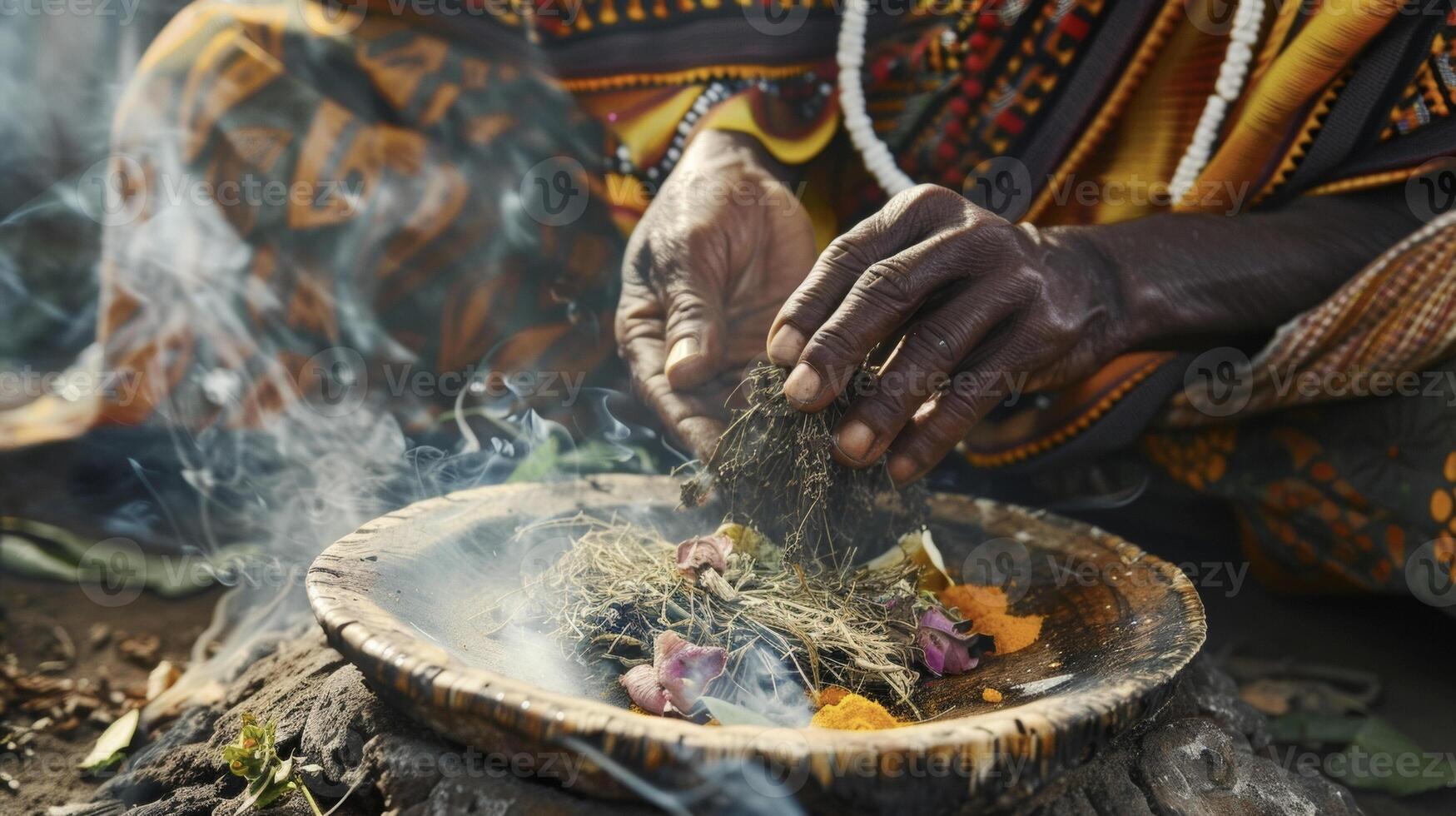
Recovery from addiction and mental health challenges is a journey that requires more than addressing symptoms alone. While Western medicine provides structure, clinical oversight, and evidence-based therapies, Eastern healing practices offer a holistic approach that nurtures the mind, body, and spirit. When these two approaches are combined, individuals in recovery can experience more comprehensive support, enhanced resilience, and lasting wellness. Understanding how to integrate these methods can empower individuals to build a recovery plan that addresses the whole person.
Western Treatment: Structure, Evidence, and Safety
Western medicine forms the foundation of modern addiction recovery and mental health care. Clinical interventions such as inpatient and outpatient programs, medication-assisted treatment, and behavioral therapies provide essential structure and measurable outcomes.
Cognitive Behavioral Therapy and Evidence-Based Care
Cognitive Behavioral Therapy, or CBT, is widely recognized for helping individuals identify unhealthy thought patterns and develop practical coping strategies. This therapy is effective for managing triggers, reducing relapse risk, and addressing co-occurring mental health conditions such as anxiety or depression.
Structured programs also offer continuous support, creating a safe environment for detox, stabilization, and skill-building. Regular monitoring and individualized care plans ensure that each client receives the attention they need for successful recovery.
Eastern Healing Practices: Balance and Holistic Support
Eastern medicine approaches health through the lens of balance and interconnectedness. Practices such as acupuncture, mindfulness, meditation, yoga, and herbal therapies aim to restore harmony between mind, body, and spirit. These techniques complement Western treatments by addressing underlying stress, emotional imbalance, and spiritual needs.
Acupuncture and Mindfulness for Recovery
Acupuncture can support recovery by reducing physical tension, easing withdrawal symptoms, and promoting relaxation. Mindfulness and meditation enhance self-awareness and emotional regulation, allowing clients to respond to stress and cravings more effectively. These practices help individuals develop tools for long-term resilience that go beyond symptom management.
Spiritual and Holistic Practices
Faith-based and holistic approaches provide a sense of purpose, meaning, and connection. Guided meditation, reflective journaling, and community engagement foster emotional growth and reinforce commitment to recovery. These practices support mental wellness by helping clients cultivate inner peace and self-compassion.
Integrating Eastern and Western Approaches
Combining Western clinical care with Eastern healing practices creates a more complete path to recovery. Each approach contributes unique strengths that address different aspects of healing, from physical stabilization to emotional and spiritual growth.
Personalized Treatment Plans
Integration allows for individualized recovery plans tailored to each client’s needs and values. Inpatient care can include both medical supervision and meditation sessions, while outpatient programs can blend therapy with holistic practices such as yoga, acupuncture, or mindfulness exercises. This flexible approach ensures clients receive comprehensive support throughout their recovery journey.
Enhancing Long-Term Outcomes
By embracing both Western and Eastern methods, clients develop a balanced approach to coping with stress, managing cravings, and maintaining mental and physical health. This integrated model reduces relapse risk, enhances emotional resilience, and fosters a sense of empowerment and self-awareness that supports lifelong wellness.
A Balanced Path to Lasting Recovery
Recovery is most effective when it addresses the whole person. Western medicine provides structure, clinical expertise, and evidence-based therapies, while Eastern practices offer tools for balance, self-awareness, and emotional resilience. Together, they create a compassionate, holistic, and client-centered approach to addiction recovery and mental health treatment. If you or a loved one are ready to explore an integrated path to healing, reaching out for professional support today can be the first step toward lasting wellness, renewed hope, and a balanced life.