Integrating East and West: Choosing the Right Path for Mental Health and Recovery

Mental health and addiction recovery are deeply personal experiences, and there is no single path that works for everyone. Some individuals find strength in structured, evidence-based Western treatment, while others connect more deeply with the holistic and mind-body focus of Eastern healing practices. Increasingly, the most effective approach is not choosing one over the other, but integrating both. When Eastern and Western methods are combined thoughtfully, they create a more complete, flexible, and compassionate path toward lasting recovery.
Understanding Western Approaches to Mental Health and Addiction Recovery
Western medicine is grounded in science, clinical research, and structured treatment models. It focuses on diagnosing conditions, stabilizing symptoms, and providing measurable outcomes. This approach is especially important during early recovery when safety and medical support are essential.
Evidence-Based Therapy and Clinical Support
Therapies such as Cognitive Behavioral Therapy, dialectical behavior therapy, and motivational interviewing help individuals understand the relationship between thoughts, emotions, and behaviors. These tools are highly effective in addiction recovery because they teach practical strategies for managing triggers, reducing cravings, and preventing relapse.
Medication may also be part of treatment when appropriate. Medication-assisted care can help stabilize mood, ease withdrawal symptoms, and support co-occurring mental health conditions such as anxiety or depression. This clinical foundation gives individuals the stability they need to fully engage in the recovery process.
Inpatient and Outpatient Care Options
Inpatient programs provide a structured environment where individuals can focus fully on healing with 24-hour support. This level of care is often necessary during detox and early stabilization. Outpatient programs offer continued therapy and guidance while allowing individuals to return to daily responsibilities such as work or family life. Together, these options create a continuum of care that supports long-term recovery.
Eastern Healing Practices and Holistic Recovery Support
Eastern approaches to healing focus on balance, awareness, and the connection between mind, body, and spirit. Rather than focusing only on symptoms, they aim to support overall well-being and long-term emotional resilience.
Mindfulness, Meditation, and Emotional Balance
Mindfulness and meditation practices help individuals become more aware of their thoughts and emotions without becoming overwhelmed by them. This awareness is especially helpful in addiction recovery, where emotional triggers can lead to impulsive behaviors. Over time, mindfulness helps individuals pause, reflect, and respond more intentionally.
Other practices such as yoga, breathwork, and gentle movement support nervous system regulation. These techniques reduce stress, improve sleep, and promote emotional stability, which are all important factors in maintaining recovery.
Spiritual and Lifestyle-Based Healing
Eastern healing also emphasizes lifestyle balance. This includes attention to sleep, nutrition, daily routines, and emotional self-care. For many individuals, spiritual practices or faith-based support provide meaning and purpose during recovery. These elements help create a sense of connection and inner strength that supports long-term healing.
Choosing the Right Path Through Integration
The most effective recovery approach often comes from integrating both Eastern and Western methods. Each provides strengths that complement the other, creating a more complete and personalized experience.
Personalized Treatment for Individual Needs
Every recovery journey is unique. Some individuals may need intensive inpatient care supported by medical treatment and therapy, while others may benefit from outpatient programs combined with mindfulness practices and holistic support. By integrating both approaches, treatment becomes more adaptable and responsive to each person’s needs.
Faith-based care and individualized treatment planning also play an important role. When care aligns with a person’s values, beliefs, and lifestyle, engagement and long-term success often improve.
Building Long-Term Stability and Resilience
Western medicine provides structure, safety, and evidence-based tools. Eastern practices support emotional awareness, stress management, and lifestyle balance. Together, they help individuals build resilience, strengthen coping skills, and reduce the risk of relapse. This combination supports not only recovery but also long-term mental and emotional wellness.
Conclusion: A More Complete Way Forward in Recovery
Choosing the right path for mental health and addiction recovery does not have to mean choosing between East and West. When both approaches are integrated, individuals gain access to a more complete and compassionate model of care. Western treatment provides structure and clinical support, while Eastern practices encourage balance, mindfulness, and personal growth.
If you or someone you love is seeking help, support is available. Reaching out for professional care can be the first step toward a healthier, more stable, and more meaningful life. Recovery is possible, and you do not have to navigate it alone.
From Lab to Lifestyle: Comparing Western Treatments with Eastern Holistic Practices
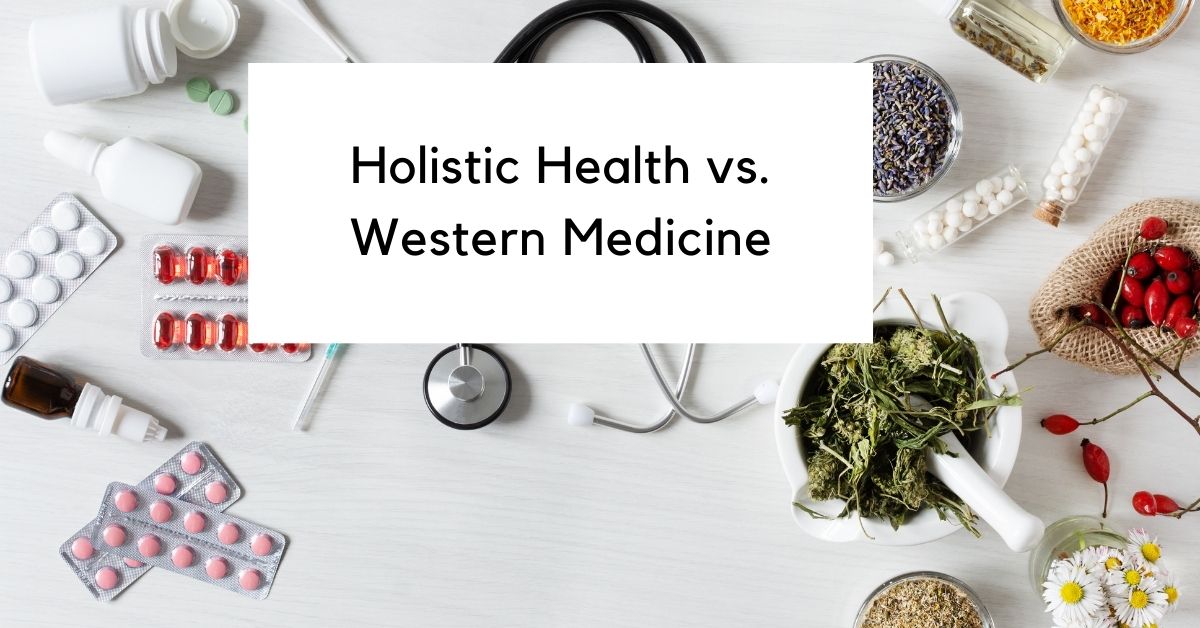
Addiction recovery and mental health treatment are not just clinical processes. They are deeply personal journeys that shape how individuals think, feel, and live each day. Western medicine often begins in the lab, grounded in research, diagnosis, and evidence-based care. Eastern holistic practices, on the other hand, focus on how healing is lived in everyday life through balance, awareness, and mind-body connection. When these two approaches are understood together, they offer a more complete and compassionate path to recovery.
Western Treatment: Evidence, Structure, and Clinical Care
Western medicine plays a central role in addiction recovery and mental health treatment. It is built on scientific research, clinical evaluation, and structured care plans that prioritize safety and measurable progress.
Evidence-Based Therapies and Medical Support
Treatment methods such as Cognitive Behavioral Therapy, dialectical behavior therapy, and motivational interviewing help individuals identify harmful thought patterns and develop healthier coping strategies. These therapies are widely used in addiction recovery because they provide clear, practical tools for managing triggers and preventing relapse.
In many cases, medication may also be part of treatment. Medication-assisted treatment can help stabilize brain chemistry, reduce withdrawal symptoms, and support co-occurring mental health conditions such as anxiety or depression. This clinical support allows individuals to focus more effectively on therapy and personal growth.
Inpatient and Outpatient Care Structure
Inpatient programs provide a structured environment where individuals can safely begin recovery with 24-hour support. This setting is especially helpful during detox and early stabilization. Outpatient programs offer continued guidance while allowing individuals to return to work, school, or family life. This balance between structure and independence helps build long-term recovery skills.
Eastern Holistic Practices: Balance, Awareness, and Daily Healing
Eastern healing traditions focus on the connection between mind, body, and spirit. Rather than focusing only on symptoms, these practices aim to support overall balance and long-term wellness.
Mindfulness, Meditation, and Emotional Regulation
Mindfulness and meditation help individuals become more aware of their thoughts and emotions without judgment. This awareness is especially valuable in addiction recovery, where cravings and emotional triggers can feel overwhelming. By practicing mindfulness, individuals learn to pause, reflect, and respond instead of reacting impulsively.
Breathing exercises, yoga, and gentle movement also support emotional regulation. These practices help calm the nervous system, reduce stress, and improve physical well-being. Over time, they become practical tools for managing everyday challenges.
Lifestyle-Based Healing and Self Awareness
Unlike treatment that stays within a clinical setting, Eastern holistic practices extend into daily life. Nutrition, sleep habits, stress management, and self-care routines all become part of the healing process. This lifestyle approach encourages individuals to take an active role in their recovery and build habits that support long-term wellness.
Bringing Lab and Lifestyle Together in Recovery
The most effective recovery approaches combine the scientific strength of Western treatment with the lived experience focus of Eastern practices. This integration creates a more complete model of care that supports both immediate stabilization and long-term growth.
Personalized Treatment and Holistic Support
Every recovery journey is different. Some individuals may need intensive inpatient care supported by medical supervision and therapy, while others benefit from outpatient care combined with mindfulness practices or holistic wellness strategies. When these approaches are combined, treatment becomes more flexible and responsive to individual needs.
Faith-based support and individualized care plans can further enhance this approach by addressing personal values, spiritual beliefs, and emotional needs. This helps individuals feel more understood and supported throughout their recovery journey.
Building Sustainable Recovery Outcomes
Western medicine provides structure, accountability, and clinical expertise. Eastern practices support emotional balance, self-awareness, and stress management. Together, they help individuals build resilience, reduce relapse risk, and create a more stable foundation for long-term recovery.
Conclusion: A Complete Path from Treatment to Transformation
Recovery is not just about treating symptoms in a clinical setting. It is about learning how to live well every day. Western medicine offers the science and structure needed for stabilization, while Eastern holistic practices bring balance and awareness into daily life. When combined, they create a powerful and compassionate path toward lasting wellness.
If you or a loved one is seeking support for addiction recovery or mental health treatment, reaching out for professional help can be the first step toward meaningful change. A more balanced, healthier life is possible, and you do not have to walk that path alone.
Understanding Healing Across Cultures: What Eastern and Western Medicine Can Teach Us

Healing from addiction and mental health challenges is not a one-size-fits-all process. People come from different backgrounds, beliefs, and experiences, and their recovery journeys should reflect that. Western medicine and Eastern healing traditions each offer powerful approaches to care, yet they differ in philosophy and method. When understood together, they provide a more complete picture of what true, lasting recovery can look like. For individuals seeking addiction recovery and mental health treatment, this combined understanding can be life changing.
Western Medicine: Structure, Science, and Stability
Western medicine is the foundation of most modern addiction recovery and mental health treatment programs. It focuses on diagnosis, evidence-based interventions, and measurable outcomes. This approach is especially valuable during early recovery when safety, stabilization, and clarity are essential.
Clinical Treatment and Evidence-Based Therapy
Western treatment methods include Cognitive Behavioral Therapy, motivational interviewing, group therapy, and medication-assisted treatment. These approaches are designed to help individuals understand the connection between thoughts, emotions, and behaviors. They also provide structured tools for managing cravings, reducing relapse risk, and addressing co-occurring mental health conditions such as depression, anxiety, or trauma.
Medication, when appropriate, can help stabilize brain chemistry and support withdrawal management. This allows individuals to engage more fully in therapy and focus on building long-term recovery skills.
Inpatient and Outpatient Support Systems
Inpatient programs provide a structured and supervised environment where individuals can safely begin detox and intensive treatment. Outpatient care offers continued support while allowing clients to return to daily life. This balance between structure and flexibility is a key strength of Western treatment, helping individuals build consistency and accountability.
Eastern Medicine: Balance, Awareness, and Holistic Healing
Eastern healing traditions focus on restoring harmony between the mind, body, and spirit. Instead of focusing only on symptoms, they aim to understand deeper patterns of imbalance that may contribute to emotional distress and substance use.
Mindfulness, Meditation, and Body Awareness
Practices such as mindfulness, meditation, breathwork, and yoga help individuals develop greater awareness of their internal experiences. These tools are especially helpful in addiction recovery, where emotional triggers and stress can lead to relapse. By learning to observe thoughts without judgment, individuals gain more control over their responses and build emotional resilience.
Acupuncture and other body based therapies are also used in some holistic approaches to help reduce stress, improve sleep, and support nervous system regulation. These methods can complement clinical care by supporting overall well-being.
Spiritual and Cultural Dimensions of Healing
Eastern approaches often emphasize spiritual connection, meaning, and balance. This may include meditation practices, reflective journaling, or faith-based support systems. For many individuals, reconnecting with personal values or a sense of purpose becomes a powerful motivator in recovery. Community support and shared healing practices also help reduce isolation, which is a common challenge in addiction recovery.
Bringing East and West Together in Recovery
The most effective recovery approaches often combine the strengths of both Western and Eastern medicine. This integrated model addresses the whole person, not just the symptoms of addiction or mental illness.
Personalized and Client Centered Care
At the core of effective treatment is personalization. No two recovery journeys are the same. Integrated care plans may include therapy sessions, medical support, and structured programs from Western medicine alongside mindfulness practices, meditation, or holistic wellness techniques inspired by Eastern traditions. This combination allows treatment to be flexible, responsive, and deeply supportive.
In both inpatient and outpatient settings, this integrated approach helps individuals stay grounded while learning practical coping skills and emotional regulation techniques.
Supporting Long Term Recovery and Wellness
Recovery is not just about stopping harmful behaviors. It is about building a life that feels meaningful, stable, and fulfilling. Western medicine provides structure and clinical tools, while Eastern practices support emotional balance and self awareness. Together, they help individuals develop resilience, reduce stress, and maintain long term recovery.
Conclusion: A More Complete Path to Healing
Understanding healing across cultures shows that recovery is most powerful when it is comprehensive. Western medicine brings science, structure, and evidence based care. Eastern healing offers mindfulness, balance, and a deeper sense of connection. When combined, they create a compassionate and effective path toward lasting wellness.
If you or someone you love is struggling with addiction or mental health challenges, support is available. Reaching out for professional help can be the first step toward a healthier, more balanced future and a life built on stability, clarity, and hope.
East Meets West: How Different Medical Approaches Shape Addiction and Mental Health Recovery
Recovery from addiction and support for mental health are journeys that require more than just treating symptoms. They demand a comprehensive approach that addresses the mind, body, and spirit. Western medicine offers structured, evidence-based treatments, while Eastern healing practices emphasize balance, mindfulness, and holistic wellness. Understanding how these approaches differ—and how they can complement each other—can empower individuals to pursue more effective and lasting recovery.
Western Medicine: Structure, Science, and Evidence
Western medicine has long been the foundation of addiction recovery and mental health treatment. Its focus on measurable outcomes, clinical oversight, and structured therapy ensures that individuals receive safe and targeted care.
Evidence-Based Therapies
Cognitive Behavioral Therapy, motivational interviewing, and other evidence-supported therapies are central to Western recovery programs. These interventions help clients identify harmful thought patterns, manage triggers, and replace unhealthy behaviors with positive coping strategies. Medication-assisted treatment may also be used to address withdrawal symptoms or co-occurring mental health conditions, providing stability and improving the chances of successful recovery.
Inpatient and Outpatient Programs
Structured care environments play a vital role in supporting recovery. Inpatient programs provide a controlled, safe setting for intensive therapy and medical supervision, which is particularly important during detoxification and the early stages of treatment. Outpatient programs allow clients to apply their skills in real-life settings while continuing to receive professional support. This combination of structure and flexibility fosters consistency and builds essential life skills.
Eastern Healing Practices: Holistic Support and Mind-Body Connection
Eastern approaches to healing focus on restoring balance across the mind, body, and spirit. Practices such as acupuncture, meditation, yoga, and herbal therapy aim to improve overall wellness, reduce stress, and enhance emotional resilience.
Mindfulness and Meditation
Mindfulness and meditation practices help clients become aware of their thoughts and emotions without judgment. These techniques reduce stress, improve emotional regulation, and support healthier responses to triggers. Yoga and gentle movement therapies complement these practices by strengthening the body, promoting relaxation, and enhancing resilience.
Spiritual and Community Support
Eastern practices often include a focus on spiritual growth and community connection. Faith-based guidance, group support, and reflective exercises can help individuals find meaning, purpose, and inner strength. This holistic approach encourages self-compassion and reinforces commitment to recovery.
Integrating Eastern and Western Approaches
The most effective recovery strategies often combine the strengths of both Eastern and Western practices. By integrating evidence-based clinical care with holistic methods, treatment programs address the full spectrum of needs, promoting lasting wellness.
Personalized, Client-Centered Care
Recovery plans that blend Western and Eastern approaches can be tailored to each client’s unique needs. Inpatient programs may include structured therapy alongside acupuncture or mindfulness sessions, while outpatient programs can combine ongoing counseling with yoga or meditation practices. This personalized approach ensures that both physical and emotional well-being are supported.
Long-Term Benefits
When Eastern and Western methods are combined, clients develop practical skills to manage stress and cravings while cultivating inner balance and resilience. Western therapies address symptoms and provide structure, while Eastern practices enhance emotional and spiritual health. Together, they promote sustainable recovery and reduce the risk of relapse.
Choosing a Balanced Path to Recovery
Addiction recovery and mental health support are most effective when they consider the whole person. Western medicine provides clinical expertise and structured care, while Eastern practices offer holistic support, mindfulness, and spiritual growth. By integrating these approaches, individuals can create a compassionate, client-centered path to lasting wellness. If you or a loved one are seeking comprehensive recovery support, reaching out for professional guidance today can be the first step toward a healthier, more balanced life.