From Science to Spirit: Comparing Western Clinical Care with Eastern Holistic Healing in Recovery
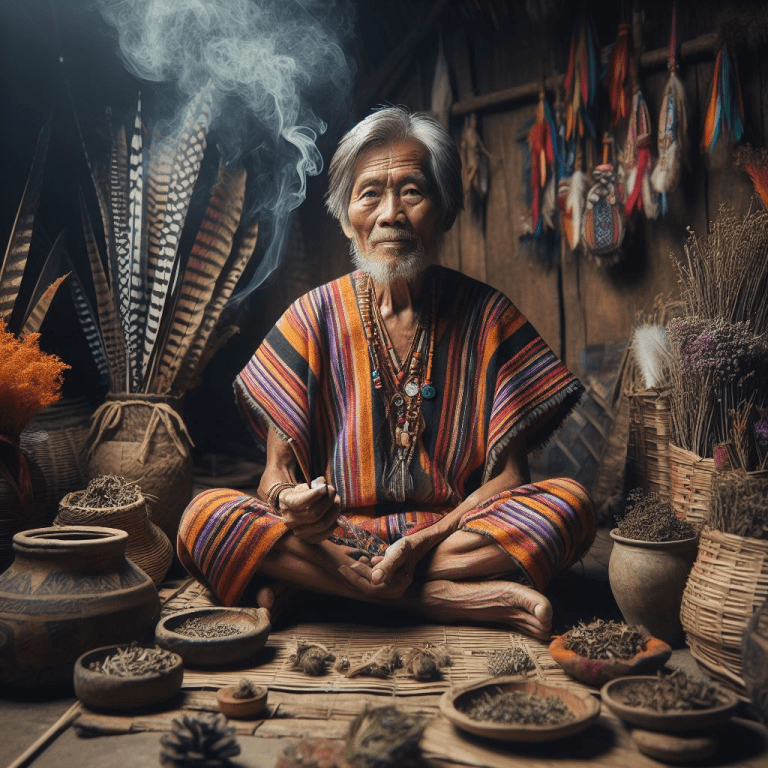
Recovery from addiction and mental health challenges is about far more than overcoming physical dependence or reducing emotional distress. It is a journey of rebuilding health, restoring hope, and creating a meaningful life. While Western clinical care has transformed addiction treatment through scientific research and evidence-based therapies, Eastern holistic healing offers a complementary perspective that emphasizes balance, mindfulness, and the connection between mind, body, and spirit. Rather than viewing these approaches as competing philosophies, many recovery professionals recognize that they can work together to provide comprehensive, whole-person care. By understanding what each approach contributes, individuals can make informed decisions about their recovery and embrace a path that supports lasting wellness.
Understanding Western Clinical Care in Recovery
Western medicine has become the cornerstone of modern addiction recovery and mental health treatment. Its primary focus is identifying the underlying causes of illness, managing symptoms, and using scientifically validated treatments to promote long-term recovery.
Evidence-Based Therapies That Build Lasting Change
Evidence-based therapies form the foundation of Western addiction treatment. Approaches such as Cognitive Behavioral Therapy, motivational interviewing, and trauma-informed counseling help individuals recognize unhealthy thought patterns, understand emotional triggers, and develop practical coping strategies.
These therapies do more than reduce symptoms. They empower individuals to replace destructive behaviors with healthier habits while improving emotional regulation and decision-making. For many people, these skills become essential tools for maintaining lifelong recovery.
Medication-assisted treatment may also be recommended when clinically appropriate. Under professional supervision, medication can reduce withdrawal symptoms, stabilize mood, and support individuals managing co-occurring mental health conditions. This medical support often creates the stability needed to fully participate in counseling and personal growth.
Structured Levels of Care
Recovery needs change over time. Inpatient treatment provides a highly structured environment where individuals receive medical supervision, therapy, and around-the-clock support during the most challenging stages of recovery.
As stability improves, outpatient care offers continued counseling and accountability while allowing clients to rebuild their daily lives. This progression helps individuals apply the skills they learn in treatment while maintaining professional guidance throughout the recovery process.
Eastern Holistic Healing: Treating the Whole Person
Eastern healing traditions approach wellness from a broader perspective. Rather than concentrating only on diagnosis or symptoms, they emphasize restoring harmony between the mind, body, and spirit.
Mindfulness and Emotional Awareness
Mindfulness has become one of the most recognized Eastern practices incorporated into modern recovery programs. By learning to observe thoughts and emotions without immediate reaction, individuals develop greater emotional control and resilience.
Meditation encourages calm, improves focus, and reduces stress. These benefits are especially valuable during recovery, when emotional triggers and anxiety can increase the risk of relapse. With regular practice, mindfulness helps individuals respond thoughtfully instead of reacting impulsively.
Physical Wellness and Inner Balance
Eastern healing also recognizes the importance of physical well-being in emotional recovery. Practices such as yoga, breathing exercises, and gentle movement promote relaxation while supporting physical health.
Nutrition, healthy sleep habits, and stress management are viewed as essential parts of healing rather than optional lifestyle choices. These daily habits strengthen both physical and emotional resilience, helping individuals maintain long-term wellness beyond formal treatment.
For many people, spiritual reflection also becomes an important aspect of recovery. Whether expressed through faith, meditation, gratitude, or personal reflection, reconnecting with purpose often strengthens motivation and encourages lasting change.
Science and Spirit Working Together
Western clinical care and Eastern holistic healing may begin from different philosophies, but they often complement one another remarkably well. One provides scientific precision and structured treatment. The other encourages self-awareness, emotional balance, and lifelong wellness.
Comprehensive Care for Mind, Body, and Spirit
An integrated treatment approach recognizes that addiction affects every aspect of a person’s life. Medical care addresses physical health and mental health conditions, while holistic practices strengthen emotional resilience and promote overall well-being.
For example, an individual may participate in evidence-based therapy while also practicing mindfulness to manage stress between counseling sessions. They may receive medical support during detox while using breathing techniques to reduce anxiety naturally. Together, these approaches reinforce one another and create a more balanced recovery experience.
Individualized Treatment Creates Better Outcomes
No two recovery journeys are identical. Some individuals benefit from intensive inpatient treatment followed by outpatient counseling. Others find additional strength through faith-based support, mindfulness training, holistic wellness activities, or family therapy.
Personalized care plans recognize these differences and adapt treatment to each individual’s unique needs, goals, and experiences. This client-centered philosophy helps people feel understood, respected, and actively involved in their own healing process.
Recovery Is About More Than Sobriety
Long-term recovery extends beyond abstaining from substances. It includes developing healthy relationships, improving emotional wellness, rebuilding confidence, and discovering renewed purpose.
Western medicine provides the clinical knowledge needed to safely navigate addiction and mental health challenges. Eastern healing reminds us that wellness also depends on emotional balance, personal reflection, and healthy daily habits. Together, these perspectives encourage lasting transformation rather than temporary symptom relief.
Recovery becomes stronger when individuals learn not only how to stop harmful behaviors but also how to create a fulfilling life that supports continued growth.
Conclusion
The conversation between science and spirit does not have to be an either-or decision. Western clinical care and Eastern holistic healing each contribute valuable insights into addiction recovery and mental health treatment. One offers evidence-based therapies, medical expertise, and structured support. The other promotes mindfulness, balance, and whole-person wellness.
When these approaches are thoughtfully integrated, they create a compassionate and individualized model of care that supports healing at every level. If you or someone you love is seeking help for addiction or mental health challenges, reaching out to experienced professionals can be the first step toward lasting recovery. With comprehensive care that addresses the mind, body, and spirit, healing becomes more than possible. It becomes sustainable and life changing.