From Clinical Care to Holistic Healing: Comparing Eastern and Western Approaches to Addiction Treatment
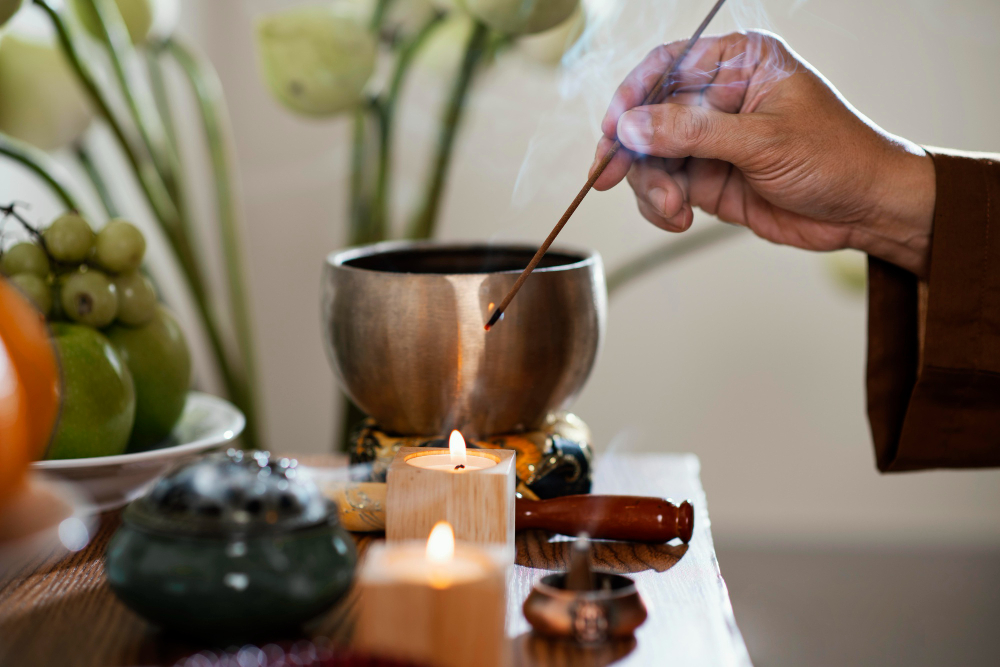
Addiction treatment is not a one size fits all process. Substance use can affect the brain, body, emotions, relationships, and sense of purpose, so effective recovery often requires more than addressing substance use alone. Western medicine brings clinical assessment, evidence based therapies, medical care, and structured treatment programs to the recovery process. Eastern healing traditions often emphasize balance, mindfulness, lifestyle, and the connection between mind and body. When thoughtfully incorporated into an individualized treatment plan, these perspectives can offer complementary tools for people working toward lasting recovery.
Understanding the Difference Between Eastern and Western Medicine
The terms Eastern medicine and Western medicine describe broad traditions rather than two completely separate systems. Western medicine generally relies on modern biomedical science, clinical research, diagnosis, and treatments that have been evaluated for safety and effectiveness.
Eastern healing traditions include diverse systems and practices that developed across parts of Asia. Depending on the tradition, these may include meditation, mindfulness, acupuncture, movement practices, breathing exercises, and other approaches focused on balance and overall well being.
These approaches should not be viewed as competing choices. Addiction recovery can benefit from evidence based clinical treatment while also recognizing the value of healthy routines, emotional awareness, and personal meaning.
Western Medicine Focuses on Clinical Needs
One major strength of Western addiction treatment is its ability to assess and address complex clinical concerns.
A professional evaluation may consider substance use history, withdrawal risks, physical health, mental health symptoms, medications, previous treatment, and environmental factors. This information helps treatment professionals determine an appropriate level of care.
For some people, that may involve inpatient treatment. Others may benefit from outpatient services that provide counseling and recovery support while allowing them to remain connected to home, work, or school.
The important point is that treatment should match the person’s needs rather than forcing everyone into the same program.
How Clinical Addiction Treatment Supports Recovery
Addiction is a complex condition, and professional treatment can provide structure during a time when life may feel unpredictable.
Behavioral Therapy Builds Practical Skills
Evidence based behavioral therapies can help people recognize connections between thoughts, emotions, situations, and substance use.
For example, someone may discover that conflict at home consistently increases cravings. Another person may use substances when experiencing anxiety or loneliness. Therapy can help individuals identify these patterns and develop healthier responses.
These skills become especially important after intensive treatment ends. Recovery requires the ability to handle real world stress without returning to substance use.
Mental Health Treatment Can Address Co Occurring Concerns
Addiction and mental health concerns can occur together. Anxiety, depression, trauma related symptoms, and other challenges may complicate recovery when they are not addressed.
Integrated mental health treatment can help professionals understand the bigger picture. Instead of focusing exclusively on substance use, clinicians can work with individuals to address emotional and psychological needs that may influence recovery.
This whole person perspective can make treatment more responsive and sustainable.
What Eastern Healing Traditions Can Contribute
Eastern approaches often place greater emphasis on balance, awareness, and daily practices that support overall wellness. While these practices should not replace necessary medical or psychological care, some can serve as complementary tools.
Mindfulness Can Help With Awareness
Mindfulness encourages a person to pay attention to thoughts, emotions, physical sensations, and surroundings without immediately reacting to them.
This can be useful during recovery because cravings and difficult emotions can feel overwhelming. Learning to notice an urge without automatically acting on it may create an opportunity to choose a healthier response.
Mindfulness is not a cure for addiction. Instead, it can be one practical skill within a broader recovery plan.
Breathing and Relaxation Can Support Stress Management
Stress is a common recovery challenge. Simple breathing exercises and relaxation practices may help some people become more aware of physical tension and emotional distress.
For example, taking several slow breaths before responding to a stressful situation can create a brief pause. That pause may make it easier to communicate calmly, reach out for support, or use another coping strategy.
Small practices can become meaningful when they are repeated consistently.
Lifestyle and Balance Matter
Eastern healing traditions frequently emphasize the relationship between everyday habits and overall well being. This idea also has an important place in addiction recovery.
Adequate sleep, nutritious food, physical activity, healthy social connections, and time for rest can help create greater stability.
Recovery is not built through one therapy session. It develops through daily decisions and routines that support healthier living.
Combining Eastern and Western Approaches Responsibly
The most useful question may not be whether Eastern or Western medicine is better. Instead, ask how appropriate elements of each approach can support an individual’s goals.
Clinical Treatment Provides the Foundation
When addiction involves significant withdrawal risks, serious medical concerns, or complex mental health symptoms, professional care is essential.
Medical and behavioral treatment can provide the assessment, monitoring, therapy, and structure necessary to address those needs safely.
Holistic practices can then be considered as complementary strategies when they are appropriate for the individual.
Holistic Care Can Complement Clinical Treatment
A person receiving outpatient therapy might also practice mindfulness at home. Someone participating in residential treatment may benefit from structured physical activity, relaxation techniques, or reflective practices when these are available and clinically appropriate.
The key is coordination.
People should tell their healthcare providers about supplements, herbs, acupuncture, or other complementary practices they are using. Some products and treatments can interact with medications or may not be appropriate for certain medical conditions.
A holistic approach should expand responsible care, not compromise it.
The Importance of Individualized Addiction Treatment
Perhaps the most important lesson from both approaches is that every recovery journey is different.
A person may need intensive inpatient treatment because substance use has become dangerous or difficult to control. Another individual may be appropriate for outpatient care. Someone else may need substantial mental health support before they can make meaningful progress in addiction recovery.
Treatment should account for these differences.
Recovery Goals Should Reflect the Individual
An individualized treatment plan can consider:
- Substance use history
- Physical and mental health needs
- Withdrawal and safety concerns
- Family relationships
- Social support
- Personal beliefs and values
- Stress and relapse triggers
- Work or school responsibilities
- Long term recovery goals
This approach allows treatment to address the person behind the diagnosis.
Where Faith and Spirituality May Fit Into Recovery
For some people, spirituality is an important source of hope and motivation. Faith based recovery can provide a framework for forgiveness, accountability, connection, and purpose.
Spirituality does not have to look the same for everyone. Some people find strength through organized religion, while others connect with personal reflection, service, community, or a renewed sense of purpose.
When included in care, spiritual support should respect the individual’s beliefs and preferences.
Moving From Treatment to Long Term Wellness
One of the biggest challenges in addiction recovery is maintaining progress after structured treatment ends.
This is where the lessons of clinical and holistic approaches can come together.
Clinical care can provide relapse prevention strategies, counseling, mental health support, and continuing care. Holistic practices can help individuals build routines that support stress management and emotional awareness.
Create a Personal Recovery Toolkit
A practical recovery toolkit might include:
- Regular counseling or recovery meetings
- A reliable sleep routine
- Physical activity
- Mindfulness or breathing exercises
- Healthy nutrition
- Supportive relationships
- Personal or spiritual reflection
- A plan for responding to cravings
- Professional help when symptoms become difficult to manage
The goal is not perfection. Recovery involves learning what works, recognizing setbacks early, and continuing to make healthier choices.
Choosing the Right Approach for Your Recovery
There is no universal treatment formula for addiction. The right approach depends on the person’s health, substance use history, mental health needs, support system, and recovery goals.
If you are considering holistic practices, discuss them with your treatment team. Ask how they can safely complement your existing care. Most importantly, do not delay evidence based medical or mental health treatment when it is needed.
A compassionate treatment plan should give you room to be heard, understood, and actively involved in your recovery.
Conclusion
Comparing Eastern and Western approaches to addiction treatment does not have to be about choosing one tradition over another. Western medicine offers valuable clinical tools, including professional assessment, behavioral therapy, medical care, and structured inpatient and outpatient treatment. Eastern healing traditions can offer complementary lessons about mindfulness, balance, stress management, and whole person wellness.
Together, these perspectives can reinforce an important principle: lasting recovery involves the whole person.
If addiction or mental health concerns are affecting your life, reaching out for professional support is a meaningful first step. You do not have to understand every treatment option before asking for help. A qualified care team can help you identify your needs, explore appropriate services, and develop a personalized path toward recovery.
Healing takes time, patience, and support. With the right combination of clinical care, healthy practices, meaningful relationships, and personal commitment, recovery can become more than freedom from substances. It can become the foundation for a healthier and more purposeful life.
Beyond Conventional Treatment: What Eastern and Western Medicine Can Teach Us About Recovery
Recovery from addiction and mental health challenges is deeply personal. While professional treatment is often essential, healing is about more than simply reducing symptoms or stopping substance use. Lasting recovery may involve rebuilding physical health, learning healthier ways to cope with stress, repairing relationships, addressing emotional pain, and rediscovering a sense of meaning. This is where the different perspectives of Eastern and Western medicine can offer valuable lessons. Western medicine brings clinical knowledge, evidence-based treatment, and structured care, while Eastern traditions emphasize balance, awareness, and the connection between mind, body, and spirit. Together, these perspectives remind us that effective recovery should focus on the whole person.
Understanding Recovery Beyond Conventional Treatment
Conventional addiction treatment can provide life-changing support. Medical care, professional counseling, behavioral therapies, and structured treatment programs can help people safely address substance use and co-occurring mental health concerns.
However, recovery does not end when treatment sessions are over. A person must also learn how to manage stress, respond to difficult emotions, build healthy routines, and navigate everyday life without returning to harmful patterns.
For this reason, many people benefit from a comprehensive approach to addiction recovery and mental health treatment. Clinical care may provide the foundation, while holistic practices can offer additional tools for maintaining emotional and physical well-being.
The goal is not to choose between Eastern and Western medicine. Instead, it is to understand what each perspective can teach us about individualized, sustainable healing.
What Western Medicine Teaches Us About Addiction Recovery
Western medicine has made important contributions to the understanding and treatment of substance use disorders and mental health conditions. Its approach generally emphasizes scientific research, clinical assessment, diagnosis, and treatments that have been studied for effectiveness and safety.
Professional Assessment Creates a Strong Starting Point
Every recovery journey should begin with understanding the individual’s needs. Addiction can affect people differently, and no two situations are exactly alike.
A professional assessment can consider factors such as:
- The type and severity of substance use
- Physical health concerns
- Withdrawal risks
- Mental health symptoms
- Trauma and past experiences
- Family and relationship challenges
- Previous treatment experiences
- Personal recovery goals
This information can help professionals recommend an appropriate level of care and develop an individualized treatment plan.
Therapy Helps People Develop Practical Skills
Evidence-based therapies can help people understand the patterns connected to addiction. For example, a person may begin to recognize that stress, loneliness, conflict, or certain environments increase the desire to use substances.
Therapy can help individuals develop healthier responses to these challenges. They may learn how to manage difficult emotions, identify triggers, challenge unhelpful thought patterns, and strengthen relapse prevention skills.
This practical focus is one of the strengths of Western addiction and mental health treatment. Recovery requires insight, but it also requires skills that can be used in everyday situations.
Inpatient and Outpatient Care Meet Different Needs
Recovery support should also reflect the individual’s level of need.
Inpatient treatment can provide a structured and supportive environment for people who require intensive care. It may help individuals focus on recovery while receiving professional support and being temporarily removed from situations associated with substance use.
Outpatient treatment can provide another important option. It allows many people to receive professional counseling and recovery services while continuing to manage responsibilities at home, work, or school.
Neither setting is automatically right for everyone. The most appropriate level of care depends on the person’s circumstances and should be determined with professional guidance.
What Eastern Healing Traditions Teach Us About Wellness
Eastern healing traditions encompass many different practices and philosophies. Although these traditions are diverse, many share an emphasis on balance, awareness, prevention, and the relationship between different aspects of health.
These principles can offer useful insights for individuals working toward long-term recovery.
Awareness Can Create Space for Healthier Choices
Addiction often involves automatic patterns. A person may experience stress and immediately think about using a substance. An uncomfortable emotion may trigger a familiar behavior before the person has time to consider another option.
Mindfulness practices encourage individuals to become more aware of their thoughts, emotions, physical sensations, and urges.
This awareness can create an important pause.
Instead of automatically reacting to a craving, a person may learn to notice the craving, identify what triggered it, and choose a healthier coping strategy. Mindfulness does not guarantee that difficult feelings will disappear. However, it can help individuals respond more intentionally.
Healthy Routines Support Long-Term Recovery
Eastern perspectives often emphasize the importance of everyday habits. This lesson is highly relevant to addiction recovery.
Sleep, nutrition, movement, relaxation, and stress management can influence emotional well-being. When these areas are neglected, people may become more vulnerable to exhaustion and unhealthy coping behaviors.
Simple practices can support recovery, including:
- Maintaining a regular sleep schedule
- Eating nutritious meals
- Participating in regular physical activity
- Practicing breathing exercises
- Making time for relaxation
- Spending time in supportive environments
These habits may seem basic, but they can provide an important foundation for stability.
Mind, Body, and Spirit Are Connected
Recovery is often more successful when individuals are treated as whole people rather than as diagnoses.
Mental health affects physical health. Physical discomfort can affect emotional well-being. Relationships can influence stress. A lack of purpose can make recovery feel more difficult.
For some individuals, spirituality or faith is also an important part of healing. Faith-based support may provide hope, community, forgiveness, and a stronger sense of purpose.
Spiritual care should always respect individual beliefs and preferences. The goal is not to impose a particular belief system but to recognize that meaning and purpose can be important parts of a person’s recovery journey.
How Eastern and Western Perspectives Can Work Together
A whole-person approach does not mean abandoning evidence-based care in favor of alternative practices. Likewise, clinical treatment does not have to ignore lifestyle, mindfulness, or spirituality.
A comprehensive recovery plan can use appropriate elements of both perspectives.
Clinical Care Provides Structure and Safety
Professional addiction and mental health treatment can provide assessment, counseling, medical support when appropriate, and a structured plan for recovery.
These services are especially important when a person is experiencing serious withdrawal risks, significant mental health symptoms, or other complex concerns.
Holistic Practices Can Support Daily Wellness
Holistic practices can complement professional treatment by helping individuals develop healthier routines.
For example, someone may attend therapy while also practicing meditation or controlled breathing to manage stress. Another person may participate in outpatient treatment while adding physical activity and reflective practices to their routine.
These strategies should be chosen based on the individual’s needs. More treatment is not always better. The right treatment is care that is safe, appropriate, and meaningful for the person receiving it.
Why Individualized Treatment Matters
One of the most important lessons from both Eastern and Western approaches is that people are individuals.
A treatment method that helps one person may not be the right fit for another. Some individuals need intensive inpatient support. Others can benefit from outpatient care. Some may find mindfulness helpful, while others connect more strongly with faith-based support, physical activity, family counseling, or traditional psychotherapy.
Individualized treatment allows care to adapt to these differences.
Recovery Plans Should Address the Whole Person
A strong treatment plan may consider:
- Substance use and recovery history
- Mental health needs
- Physical wellness
- Family and social support
- Personal beliefs and values
- Daily responsibilities
- Recovery goals
- Potential triggers and relapse risks
By looking at these areas together, treatment can become more personal and practical.
Building a Life That Supports Recovery
Stopping substance use is an important achievement, but lasting recovery involves building a life that supports continued wellness.
This may include learning to manage stress without substances, improving relationships, creating healthier routines, finding meaningful activities, and developing a stronger sense of purpose.
The lessons offered by both Eastern and Western medicine can support this process. Clinical treatment can help individuals understand addiction and address mental health concerns. Holistic practices can encourage greater awareness and healthier daily habits.
Together, these perspectives reinforce an important message: recovery is not simply about what a person gives up. It is also about what they build.
Taking the Next Step Toward Healing
No one should have to face addiction or serious mental health challenges alone. Recovery can feel overwhelming, particularly when substance use has affected relationships, physical health, employment, or emotional well-being. However, asking for help is not a sign of weakness. It is often the beginning of meaningful change.
Conclusion
Eastern and Western medicine approach healing from different perspectives, yet both offer valuable lessons for addiction recovery and mental health treatment. Western medicine provides professional assessment, evidence-based therapy, medical support, and structured inpatient and outpatient care. Eastern traditions highlight the importance of balance, mindfulness, healthy routines, and the connection between mind, body, and spirit.
A truly comprehensive approach to recovery does not force every person into the same treatment model. Instead, it recognizes that lasting healing should be individualized. Appropriate clinical care can work alongside holistic practices, faith-based support, and healthy lifestyle changes to address the unique needs of each person.
If you or someone you love is struggling with addiction or mental health concerns, reaching out for professional support can be the first step toward a healthier future. Recovery is possible, and compassionate, personalized care can help you identify the tools, support, and treatment options that fit your journey. You do not have to find the path forward alone.
Western vs. Eastern Medicine: Understanding Different Paths to Mental Health and Addiction Recovery

Mental health and addiction recovery do not follow a single formula. A person struggling with substance use may also be dealing with anxiety, depression, trauma, chronic stress, relationship difficulties, or a loss of purpose. That complexity is one reason different approaches to healing can offer valuable perspectives. Western medicine emphasizes clinical research, diagnosis, evidence based therapy, and medical care. Eastern healing traditions often focus on balance, mindfulness, lifestyle, and the relationship between mind, body, and spirit. Understanding the differences between Western and Eastern medicine can help people make more informed decisions about mental health and addiction recovery while recognizing that appropriate elements of both approaches may complement one another.
Understanding Western and Eastern Medicine
Western and Eastern medicine developed from different medical traditions and philosophies. However, it is important to avoid treating either as a single, uniform system. Western healthcare includes many different disciplines and treatment models. Likewise, Eastern healing encompasses diverse traditions and practices from across Asia.
In broad terms, Western medicine tends to emphasize diagnosis, scientific research, clinical assessment, and treatments evaluated through modern medical research. Eastern traditions often place greater emphasis on balance, prevention, mindfulness, lifestyle, and interconnected well-being.
For someone seeking addiction treatment or mental health support, the most important question is not necessarily which tradition is better. Instead, the focus should be on which approaches are safe, appropriate, evidence supported, and relevant to that person’s individual needs.
How Western Medicine Supports Mental Health and Addiction Recovery
Western medicine provides the clinical foundation for many modern addiction and mental health treatment programs. Its emphasis on research and professional assessment can help treatment providers identify underlying concerns and establish an appropriate plan of care.
Evidence Based Therapy Addresses Underlying Challenges
Psychotherapy is an important part of many recovery programs. Approaches such as Cognitive Behavioral Therapy, motivational interviewing, dialectical behavior therapy, and trauma informed counseling can help individuals understand the connection between their thoughts, emotions, and behaviors.
For someone recovering from addiction, therapy may address:
- Substance use triggers
- Cravings and impulsive behaviors
- Anxiety and depression
- Trauma and difficult life experiences
- Relationship challenges
- Negative thought patterns
- Relapse prevention
- Emotional regulation
Rather than simply telling someone to stop using substances, effective therapy can help individuals understand what drives unhealthy behaviors and develop practical alternatives.
Medical Treatment Can Support Stability
Addiction can have significant physical consequences, and withdrawal may be medically complicated depending on the substance involved and the individual’s health.
Professional assessment can help determine whether medical supervision is appropriate during detoxification or early recovery. For some substance use disorders, medications may also be part of a comprehensive treatment plan when prescribed and monitored by qualified professionals.
This clinical support can provide greater stability while an individual works through the psychological and behavioral aspects of recovery.
Inpatient and Outpatient Treatment Provide Different Levels of Care
Western healthcare also offers multiple treatment settings. Inpatient treatment can provide a structured environment for individuals who need intensive support and greater separation from substance related triggers.
Outpatient treatment offers more flexibility. Individuals can receive therapy and other recovery services while continuing work, education, family responsibilities, or other aspects of daily life.
The appropriate level of care depends on a person’s clinical needs, safety, stability, support system, and recovery goals.
What Eastern Healing Traditions Can Offer
Eastern healing traditions often approach wellness from a whole person perspective. Rather than focusing exclusively on a diagnosis, many practices encourage individuals to consider how thoughts, emotions, physical health, daily habits, and personal meaning interact.
This perspective can be valuable in recovery, particularly when used alongside appropriate professional treatment.
Mindfulness Encourages Greater Self Awareness
Mindfulness teaches people to pay attention to thoughts, emotions, physical sensations, and urges without immediately reacting to them.
That skill can be useful during addiction recovery. A craving can feel immediate and overwhelming. Mindfulness can create a moment of awareness between the urge and the response.
For example, someone experiencing a stressful situation might notice increased tension, racing thoughts, or an urge to use substances. Instead of automatically acting on that urge, the person can pause, recognize what is happening, practice controlled breathing, and use a coping strategy learned through treatment.
Mindfulness does not eliminate difficult emotions. Instead, it can help individuals develop a different relationship with those experiences.
Lifestyle and Mind Body Practices Encourage Wellness
Many Eastern traditions emphasize the role of everyday habits in overall health. Sleep, nutrition, physical movement, breathing practices, and relaxation can all influence how a person feels physically and emotionally.
Practices such as yoga and meditation may help some individuals develop greater body awareness and relaxation. These practices can become useful additions to a broader recovery routine.
However, complementary practices should not be presented as replacements for necessary medical or psychological care. Their value often comes from how they complement an individualized treatment plan.
Spirituality Can Support Meaning and Purpose
Recovery is not only about changing behavior. For many people, it also involves discovering who they want to become.
Spiritual practices can provide a framework for reflection, hope, gratitude, forgiveness, and purpose. Some individuals may connect with meditation, while others may find strength through prayer, faith, service, or personal reflection.
Faith based support can be particularly meaningful for people who want their values and spiritual beliefs to be part of their recovery journey.
Comparing Eastern and Western Medicine in Recovery
The differences between Eastern and Western medicine become especially interesting when viewed through the needs of someone in recovery.
Western Medicine Often Focuses on Clinical Intervention
Western healthcare is particularly valuable when an individual needs diagnosis, medical evaluation, medication management, structured psychotherapy, or intensive treatment.
Its clinical framework can help address immediate concerns and provide measurable treatment goals.
Eastern Traditions Often Emphasize Balance and Daily Practice
Eastern healing practices may place greater emphasis on maintaining balance and developing habits that support wellness over time.
Mindfulness, meditation, movement, breathing exercises, and personal reflection can become daily practices rather than occasional interventions.
Both perspectives can therefore contribute something different. One can provide structured clinical care, while the other can encourage ongoing awareness and healthy living.
Can Eastern and Western Approaches Work Together?
Yes, appropriate elements of both approaches can sometimes be incorporated into a comprehensive treatment plan. In fact, the website’s existing recovery content emphasizes individualized care that can include clinical treatment, holistic practices, family support, and faith based guidance.
The key is thoughtful integration rather than simply adding more treatments.
Start With Professional Assessment
Before incorporating complementary practices into addiction or mental health treatment, individuals should speak with qualified healthcare or treatment professionals.
A thorough assessment can identify substance use concerns, mental health conditions, medical needs, and the appropriate level of care. It can also help determine whether a particular complementary practice is suitable.
Choose Practices That Fit the Individual
Not every approach works for everyone.
One person may enjoy meditation and find it calming. Another may feel more comfortable with walking, yoga, prayer, journaling, or breathing exercises. Someone else may prefer structured therapy and practical behavioral strategies.
Personalized care respects these differences. The goal is not to force someone into a particular philosophy. The goal is to identify tools that support meaningful progress.
Whole Person Care Goes Beyond Symptoms
One of the biggest lessons from comparing Eastern and Western medicine is that recovery involves more than reducing symptoms.
A person may stop using substances but still struggle with isolation, stress, poor sleep, unresolved trauma, or a lack of direction. Lasting recovery requires attention to the life being built after addiction.
Recovery Involves the Mind
Therapy can help individuals recognize unhealthy thought patterns, process difficult experiences, and develop better coping skills.
Recovery Involves the Body
Medical care, nutrition, sleep, physical activity, and healthy routines can support physical well-being during recovery.
Recovery Involves Relationships
Family therapy, peer support, healthy boundaries, and meaningful connections can reduce isolation and strengthen accountability.
Recovery Can Involve the Spirit
For people who value spirituality or faith, prayer, reflection, service, gratitude, and other spiritual practices can contribute to a renewed sense of meaning.
When these areas are considered together, treatment becomes less about simply managing a diagnosis and more about helping a person build a sustainable life.
Choosing the Right Path for Recovery
There is no single treatment approach that is right for every person. The best path depends on individual circumstances, clinical needs, personal preferences, support systems, and recovery goals.
Someone experiencing severe withdrawal or significant mental health symptoms may require intensive professional intervention. Another person may benefit from outpatient counseling combined with healthy lifestyle changes and mindfulness practices.
The important thing is to make treatment decisions based on professional guidance rather than choosing a therapy simply because it is described as Eastern or Western.
Evidence, safety, personal values, and individual needs should all have a place in the decision.
Conclusion
Western and Eastern medicine offer different perspectives on healing, but those perspectives do not have to exist in opposition. Western medicine provides valuable clinical tools, including evidence based therapy, medical assessment, medication when appropriate, and structured inpatient or outpatient care. Eastern healing traditions offer practices centered on mindfulness, balance, lifestyle, self awareness, and spiritual reflection.
For addiction recovery and mental health treatment, the most meaningful approach may be one that recognizes the strengths of different perspectives while keeping the individual at the center of care.
If you or someone you love is struggling with addiction, mental health challenges, or both, seeking professional support is an important first step. Recovery is not about choosing between the mind and the body, science and personal meaning, or clinical care and healthy living. With compassionate, individualized treatment, it is possible to address immediate challenges while developing the skills, relationships, and sense of purpose needed for lasting wellness.
East Meets West: How Eastern and Western Medicine Approach Addiction Recovery

Addiction recovery is not a single process with one universal solution. Substance use disorders can affect the brain, physical health, emotional well-being, relationships, sense of purpose, and daily routines. As a result, meaningful recovery often requires care that addresses more than substance use alone. Western medicine brings scientific research, clinical assessment, evidence-based therapy, and medical support to the recovery process. Eastern healing traditions offer a different perspective, emphasizing balance, mindfulness, self-awareness, and the connection between mind, body, and spirit. Understanding the strengths of both approaches can help individuals see recovery as a comprehensive journey toward lasting wellness.
Understanding Eastern and Western Approaches to Addiction Recovery
Eastern and Western medicine developed within different cultural and philosophical traditions. Western medicine generally emphasizes diagnosis, clinical research, measurable outcomes, and treatments supported by scientific evidence. Eastern healing traditions often place greater emphasis on balance, prevention, lifestyle, awareness, and the relationship between physical and emotional well-being.
These differences do not necessarily mean one approach must replace the other. In addiction recovery, they can offer complementary perspectives. Clinical treatment can address immediate medical and psychological needs, while holistic practices can help individuals develop healthy habits and greater awareness of their thoughts, emotions, and physical needs.
Recovery Requires More Than Treating Substance Use
Addiction rarely exists in isolation. Some people struggle with anxiety, depression, trauma, chronic stress, or other mental health concerns at the same time. These co-occurring challenges can make recovery more complicated.
For this reason, effective addiction treatment should consider the whole person. Physical health, mental health, relationships, personal values, spirituality, and lifestyle can all influence recovery. A comprehensive treatment plan recognizes these factors and adapts care to the individual’s needs.
The Role of Western Medicine in Addiction Treatment
Western medicine provides much of the clinical foundation used in modern addiction recovery. Its emphasis on research and professional assessment allows treatment providers to identify specific needs and recommend appropriate interventions.
Evidence-Based Therapy Builds Recovery Skills
Behavioral therapy can help individuals understand the thoughts, emotions, and behaviors associated with substance use. Cognitive Behavioral Therapy, motivational interviewing, dialectical behavior therapy, and trauma-informed counseling are examples of approaches used in addiction treatment.
These therapies can help people:
- Recognize emotional and environmental triggers
- Develop healthier coping strategies
- Manage cravings and difficult emotions
- Improve decision-making
- Strengthen communication skills
- Develop relapse prevention strategies
Importantly, therapy can address the underlying issues that contribute to substance use rather than focusing exclusively on stopping substance use.
Medical Support Can Promote Safety
For some individuals, professional medical care is an important part of early recovery. Withdrawal can involve significant physical and emotional symptoms, and the appropriate level of medical support depends on the substance involved and the individual’s health.
Medication may also be appropriate for certain substance use disorders or co-occurring mental health conditions. When medications are prescribed and monitored by qualified professionals, they can form one component of a broader treatment plan.
Inpatient and Outpatient Care Provide Flexibility
Western addiction treatment also offers different levels of care. Inpatient treatment can provide a structured environment for individuals who need intensive support during early recovery.
Outpatient care allows people to participate in professional treatment while continuing work, school, family responsibilities, or other daily activities. Moving between levels of care can also provide continuity as a person’s needs change.
The most appropriate setting should be determined through professional assessment rather than choosing a program based solely on convenience.
What Eastern Healing Can Bring to Addiction Recovery
Eastern healing traditions approach wellness from a broader perspective. Rather than concentrating only on a diagnosis or symptom, many practices emphasize balance and awareness throughout the person.
Mindfulness Can Change the Way People Handle Cravings
One valuable principle associated with Eastern traditions is mindfulness. Mindfulness encourages people to notice thoughts, emotions, physical sensations, and urges without automatically reacting to them.
This can be particularly useful during addiction recovery. A craving can feel urgent, but a person who has developed greater awareness may be able to pause and recognize what is happening before deciding how to respond.
Meditation and breathing exercises can also become practical tools for managing stress and emotional discomfort. These practices are not substitutes for appropriate addiction treatment, but they may complement therapy by strengthening self-awareness and emotional regulation.
Healthy Habits Support Whole-Person Wellness
Eastern healing traditions often emphasize the importance of everyday habits. Nutrition, sleep, movement, relaxation, and stress management can all influence how people feel physically and emotionally.
Yoga, for example, can encourage movement, relaxation, and greater awareness of the body. Regular physical activity can also become a healthy alternative to routines associated with substance use.
Small habits matter because recovery is built through repeated choices. A consistent sleep schedule, nutritious meals, physical activity, and time for reflection can gradually create a more stable foundation for long-term wellness.
Spirituality Can Provide Purpose
For some people, recovery includes a spiritual dimension. Eastern traditions often encourage reflection, contemplation, and a deeper awareness of personal purpose.
Faith-based recovery can similarly help individuals explore forgiveness, hope, responsibility, and meaning. Spiritual support is highly personal, so it should be incorporated according to the individual’s beliefs and preferences.
Bringing Eastern and Western Medicine Together
The most useful question may not be whether Eastern or Western medicine is better. Instead, it may be how appropriate elements of both perspectives can support an individual’s recovery.
Clinical Expertise and Holistic Wellness Can Complement Each Other
Western medicine can provide assessment, medical supervision, evidence-based counseling, and structured treatment. Eastern practices can provide additional tools for mindfulness, stress management, body awareness, and healthy daily living.
For example, an individual might participate in professional counseling while also practicing meditation to manage stress. Someone receiving outpatient treatment might incorporate exercise, breathing exercises, or reflective practices into a daily recovery routine.
The purpose is not to use every available practice. The purpose is to identify safe and appropriate tools that support the person’s treatment goals.
Individualized Care Should Remain the Priority
An integrated approach only works when it is genuinely individualized. Every person has different experiences with addiction, different mental health needs, and different preferences regarding treatment.
Some individuals may need intensive inpatient care before transitioning into outpatient treatment. Others may begin with outpatient counseling. Some may benefit from family therapy or faith-based support, while others may connect more strongly with mindfulness, physical activity, or other holistic practices.
Personalized treatment allows care to evolve as recovery progresses.
Making Holistic Practices Part of Everyday Recovery
One of the greatest benefits of holistic practices is that many can be continued after formal treatment ends.
Start With Simple, Sustainable Practices
Recovery does not require a complete lifestyle transformation overnight. Small, consistent steps are often more realistic.
A person might begin with five minutes of mindful breathing each morning. Another person may take a daily walk, establish a consistent bedtime, keep a gratitude journal, or set aside time for prayer and reflection.
The goal is to create routines that support emotional stability rather than overwhelm the individual with another list of expectations.
Use Complementary Practices Responsibly
Holistic practices should complement professional addiction treatment rather than replace medically appropriate care. Individuals should discuss complementary therapies with their healthcare or treatment providers, particularly when they have medical conditions or take prescription medications.
Professional guidance helps ensure that recovery remains safe, coordinated, and focused on the individual’s needs.
Building a Recovery Journey That Lasts
Addiction recovery is ultimately about creating a life that makes continued sobriety meaningful. Clinical treatment can help individuals understand addiction and develop effective coping strategies. Holistic practices can reinforce those skills through healthier routines, greater self-awareness, and improved stress management.
Together, these perspectives can encourage individuals to look beyond simply avoiding substances. Recovery can become an opportunity to rebuild relationships, improve mental health, restore physical well-being, discover purpose, and develop confidence in handling life’s challenges.
Conclusion
East and West may approach medicine from different traditions, but addiction recovery does not have to be limited to one perspective. Western medicine offers valuable clinical tools, evidence-based therapies, medical support, and structured levels of care. Eastern healing traditions contribute practices that encourage mindfulness, balance, healthy living, and deeper awareness of the connection between mind, body, and spirit.
When appropriate elements of both approaches are incorporated into an individualized treatment plan, recovery can become more comprehensive and sustainable. Most importantly, the focus remains on the individual rather than a treatment philosophy.
If you or someone you love is struggling with addiction or a co-occurring mental health concern, seeking professional help can be an important first step. Compassionate, individualized care can provide the clinical guidance, emotional support, and practical recovery tools needed to move forward. Healing may take time, but with the right support, a healthier and more purposeful future is possible.
A Balanced Approach to Recovery: How Eastern Wisdom and Western Medicine Work Together for Lasting Healing
Addiction recovery is rarely a straight path, and effective healing cannot always be reduced to a single treatment method. Substance use can affect the brain, body, emotions, relationships, and sense of purpose at the same time. For that reason, lasting recovery often requires more than addressing the immediate symptoms of addiction. Western medicine brings evidence based clinical treatment, medical expertise, and structured therapeutic care. Eastern healing traditions offer practices centered on mindfulness, balance, self awareness, and whole person wellness. When these perspectives are thoughtfully combined, they can give individuals a broader set of tools for managing addiction and mental health challenges while building a healthier life.
Why Balance Matters in Addiction Recovery
Addiction is a complex condition that can influence nearly every part of daily life. A person may understand that substance use is causing harm while still struggling with cravings, anxiety, depression, trauma, stress, or difficult relationships.
Effective addiction treatment therefore needs to look beyond substance use alone. It should help individuals understand why unhealthy patterns developed and provide practical ways to create meaningful change.
A balanced recovery approach considers both clinical needs and personal well-being. This can include professional therapy, medical support, healthy routines, mindfulness, family involvement, spiritual care, and continuing support after treatment.
Recovery Is Personal
There is no universal recovery plan that works equally well for everyone. A person’s history, substance use patterns, mental health needs, physical condition, family circumstances, beliefs, and recovery goals all influence the type of care that may be appropriate.
Individualized treatment allows professionals to identify those differences rather than forcing every person into the same model. This flexibility is particularly important when addiction occurs alongside a mental health condition.
What Western Medicine Contributes
Western medicine provides many of the clinical tools used in modern addiction and mental health treatment. Its emphasis on research, diagnosis, safety, and evidence based interventions provides an important foundation for recovery.
Evidence Based Therapy Addresses the Roots of Addiction
Therapy can help individuals examine the thoughts, emotions, and behaviors connected to substance use. Approaches such as Cognitive Behavioral Therapy, motivational interviewing, and trauma informed counseling can provide practical strategies for managing triggers and developing healthier coping mechanisms.
For example, someone who regularly uses substances to escape stress may learn to recognize the early signs of emotional distress and practice alternative responses. Therapy can also help individuals address unresolved trauma, improve communication, establish boundaries, and develop relapse prevention skills.
Medical Care Can Provide Stability
Some people require medical supervision during detoxification or early recovery. Withdrawal can be physically and emotionally challenging, and professional assessment helps determine what level of support is appropriate.
Medication may also be part of treatment for certain substance use disorders or co occurring mental health conditions. When prescribed and monitored by qualified professionals, medication can support stabilization while counseling addresses behavioral and emotional concerns.
Inpatient and Outpatient Treatment Offer Different Levels of Support
Western clinical care also provides different treatment settings. Inpatient programs can offer a structured environment for people who need intensive support and separation from triggers during early recovery.
Outpatient treatment provides another level of flexibility. Individuals can participate in therapy and recovery services while continuing work, school, family responsibilities, or other aspects of daily life.
The right level of care depends on the individual’s needs and should be determined with qualified professionals.
What Eastern Wisdom Can Add
Eastern healing traditions have developed practices that emphasize balance, awareness, and the relationship between mental and physical well-being. These practices can complement clinical addiction treatment when used appropriately.
Mindfulness Helps People Respond Instead of React
Mindfulness encourages individuals to notice thoughts, emotions, physical sensations, and urges without immediately acting on them. This can be especially useful during recovery because cravings and emotional triggers can feel overwhelming.
A mindfulness practice may help someone pause before responding to a difficult situation. That pause creates an opportunity to use a healthier coping strategy rather than returning to substance use.
Meditation and controlled breathing exercises can also become practical tools for managing everyday stress.
Movement Reconnects the Mind and Body
Addiction can leave people feeling disconnected from their physical needs. Sleep may become irregular, nutrition may suffer, and healthy movement can disappear from daily routines.
Practices such as yoga can encourage greater body awareness while promoting relaxation and physical activity. These practices should complement, rather than replace, appropriate medical and psychological treatment.
Spirituality Can Provide Meaning and Direction
For some individuals, recovery involves rediscovering a sense of purpose. Spiritual or faith based practices can provide a source of hope, reflection, forgiveness, and connection.
Spiritual support does not have to look the same for everyone. Some people may find meaning through prayer, while others may prefer meditation, gratitude, service, or personal reflection. The important consideration is whether the practice supports the individual’s values and recovery goals.
How Eastern and Western Approaches Can Work Together
The real value of an integrated approach is not simply combining as many treatments as possible. Instead, it involves selecting appropriate tools that complement one another and fit the individual.
Clinical Treatment Provides Structure
Western medicine can establish the clinical framework for recovery. Assessment, diagnosis, therapy, medical care, and structured treatment plans provide professional guidance and accountability.
These services can be especially important when addiction involves significant withdrawal risks, severe mental health symptoms, trauma, or other complex concerns.
Holistic Practices Strengthen Daily Recovery Skills
Holistic practices can then provide additional strategies that individuals use between therapy sessions and after formal treatment ends.
Mindfulness can help with emotional awareness. Breathing exercises can support stress management. Healthy sleep and nutrition can improve daily functioning. Physical activity can encourage a healthier relationship with the body.
Together, these practices can turn recovery skills into everyday habits.
Creating an Individualized Recovery Plan
A balanced approach should always begin with the person, not the treatment model.
Start With a Professional Assessment
Before adding complementary practices, individuals should discuss their needs with qualified treatment professionals. A thorough assessment can help identify substance use concerns, mental health conditions, medical needs, and appropriate levels of care.
This step helps ensure that holistic practices are used safely and appropriately.
Choose Practices That Support Personal Goals
Not every technique will be useful for every person. Someone who finds meditation uncomfortable may benefit more from gentle movement or breathing exercises. Another individual may find prayer or spiritual reflection especially meaningful.
The goal is not to follow a particular philosophy perfectly. The goal is to identify practical strategies that support recovery.
Continue Building Skills After Treatment
Recovery continues after inpatient or outpatient treatment ends. Continuing therapy, participating in support groups, maintaining healthy routines, and practicing stress management can help protect progress.
An individualized aftercare plan can also identify potential triggers and provide strategies for handling difficult periods before they become major setbacks.
Building Lasting Healing Through Balance
The strongest recovery plans recognize that addiction affects the whole person. Clinical treatment can address the medical and psychological dimensions of addiction, while holistic practices can strengthen self awareness, healthy routines, and emotional resilience.
Neither approach needs to replace the other. Instead, they can serve different purposes within a comprehensive recovery plan.
This balanced perspective also reflects an important truth about recovery: healing is not simply about removing something harmful from a person’s life. It is about building something healthier in its place.
That may mean developing supportive relationships, rediscovering meaningful activities, improving physical health, strengthening spiritual beliefs, learning to manage stress, or finding a renewed sense of purpose.
Conclusion
Eastern wisdom and Western medicine approach healing from different traditions, but they can share an important purpose in addiction recovery: helping individuals become healthier, more resilient, and better equipped to manage life’s challenges.
Western clinical care provides evidence based therapy, medical support, professional assessment, and structured treatment. Eastern practices can add mindfulness, healthy lifestyle habits, body awareness, and opportunities for spiritual or personal reflection. When these tools are carefully integrated into an individualized plan, they can support recovery that extends beyond the treatment setting.
If you or someone you love is struggling with addiction or a co occurring mental health concern, reaching out for professional help is an important first step. Recovery does not require you to choose between caring for your clinical needs and caring for your whole self. With compassionate, personalized support, you can begin building a balanced approach to healing and a healthier future.
Different Paths, Shared Purpose: Comparing Eastern and Western Medicine in Addiction and Mental Health Care

Recovery from addiction and mental health disorders is not defined by a single treatment philosophy. Every individual brings unique experiences, challenges, and strengths into the healing process, which is why effective care must be flexible and personalized. Around the world, Western medicine and Eastern healing traditions have developed different ways of supporting health and wellness. While their methods may differ, both share a common purpose: helping people regain balance, improve their quality of life, and achieve lasting recovery. When their strengths are thoughtfully combined, individuals can benefit from a comprehensive approach that addresses the mind, body, and spirit while creating a strong foundation for lifelong healing.
Understanding Two Different Approaches to Healing
Western medicine and Eastern medicine are often presented as opposite philosophies, but they each offer valuable perspectives on addiction recovery and mental health treatment.
Western medicine focuses on diagnosing conditions, understanding how the body and brain function, and using scientifically tested treatments to improve health. Eastern medicine emphasizes balance, prevention, and the interconnected relationship between physical, emotional, and spiritual well-being.
Modern recovery programs increasingly recognize that these approaches are not mutually exclusive. Instead, they can complement one another by addressing different aspects of the recovery journey.
How Western Medicine Supports Recovery
Western medicine has become the foundation of many addiction treatment and mental health programs because of its evidence-based methods and structured clinical care.
Evidence-Based Therapies Help Change Behaviors
Professional counseling is one of the most important components of addiction recovery. Therapeutic methods such as Cognitive Behavioral Therapy, dialectical behavior therapy, motivational interviewing, and trauma-informed care help individuals identify unhealthy thought patterns and replace them with healthier behaviors.
These therapies also teach practical coping skills for managing cravings, reducing anxiety, improving emotional regulation, and preventing relapse. Rather than focusing only on substance use, they address the underlying emotional and psychological factors that contribute to addiction.
Medical Care Improves Safety and Stability
For many individuals, professional medical care is an essential part of recovery. Detoxification can involve difficult physical and emotional symptoms that require medical supervision to ensure safety and comfort.
Medication-assisted treatment may also play an important role for certain substance use disorders. When prescribed and monitored appropriately, medications can reduce withdrawal symptoms, decrease cravings, and improve participation in therapy.
Western medicine also provides multiple levels of care, including inpatient treatment for individuals needing intensive support and outpatient services for those who are ready to continue recovery while maintaining daily responsibilities.
What Eastern Medicine Brings to Recovery
Eastern healing traditions focus on creating harmony throughout the entire person rather than concentrating only on symptoms or diagnoses.
Mindfulness Encourages Emotional Awareness
Mindfulness teaches individuals to observe their thoughts and emotions without immediately reacting to them. This skill can be especially valuable during addiction recovery because cravings and emotional triggers often appear unexpectedly.
Meditation helps calm the mind, improve concentration, reduce stress, and strengthen emotional resilience. Over time, these practices help individuals respond more thoughtfully during difficult situations instead of relying on unhealthy coping mechanisms.
Healthy Lifestyle Habits Support Long-Term Wellness
Eastern medicine encourages habits that promote physical and emotional health every day. Nutritious eating, quality sleep, regular physical activity, and breathing exercises all contribute to better overall well-being.
Practices such as yoga help improve flexibility, reduce stress, and strengthen the connection between the body and mind. These habits complement traditional therapy by providing practical wellness tools individuals can continue using throughout life.
Many Eastern traditions also emphasize inner reflection and spiritual growth. For individuals who value faith or personal spirituality, these practices can provide hope, purpose, and emotional strength throughout recovery.
Why Integrated Care Offers the Best of Both Worlds
Recovery is most successful when treatment addresses every area of a person’s life. Combining Eastern and Western medicine allows providers to create comprehensive care plans that meet both immediate clinical needs and long-term wellness goals.
Treating the Whole Person
Addiction and mental health disorders affect far more than physical health. They influence emotions, relationships, careers, self-esteem, and overall life satisfaction.
Western medicine provides clinical expertise, medical supervision, and structured therapies that address the biological and psychological aspects of recovery. Eastern healing contributes mindfulness, healthy routines, stress management, and holistic wellness practices that support personal growth.
Together, these approaches encourage healing that extends beyond symptom management and focuses on rebuilding a healthy, balanced life.
Individualized Care Makes Recovery More Effective
Every recovery journey is different. Some individuals may benefit from intensive inpatient treatment followed by outpatient counseling and wellness coaching. Others may find additional strength through family therapy, faith-based counseling, meditation, or holistic wellness practices.
Personalized treatment plans allow care providers to adjust services based on each individual’s needs, ensuring that recovery remains meaningful, flexible, and sustainable.
The Importance of Faith, Compassion, and Ongoing Support
Long-term recovery is built on more than clinical treatment. Compassionate support, healthy relationships, and a sense of purpose all contribute to lasting healing.
Faith-based guidance can provide comfort, forgiveness, and hope for individuals who desire spiritual support during recovery. Family involvement, peer encouragement, and individualized counseling also strengthen accountability and emotional resilience.
Whether someone begins treatment through an inpatient program or an outpatient setting, ongoing support remains essential for maintaining progress and navigating life’s challenges with confidence.
Building a Future Beyond Addiction
Recovery is not simply about avoiding substances or reducing symptoms. It is about creating a healthier life that includes emotional stability, meaningful relationships, personal growth, and renewed purpose.
By combining evidence-based therapies with holistic wellness practices, individuals gain a wider range of tools that help them manage stress, maintain sobriety, improve mental health, and continue growing throughout their lives.
An integrated approach empowers people to become active participants in their own healing while building habits that support lifelong wellness.
Conclusion
Although Eastern and Western medicine follow different paths, they share the same purpose of helping individuals heal and thrive. Western medicine provides the scientific knowledge, medical care, and evidence-based therapies needed to address addiction and mental health disorders. Eastern healing contributes mindfulness, healthy lifestyle practices, spiritual reflection, and whole-person wellness that strengthen long-term recovery.
When these approaches are thoughtfully integrated into individualized treatment, they create a compassionate and comprehensive recovery experience that supports every aspect of a person’s well-being. If you or someone you love is facing addiction or mental health challenges, reaching out for professional care is an important first step. With personalized treatment that combines clinical excellence with holistic healing, lasting recovery and renewed hope are within reach.
Whole-Person Recovery: Why Combining Eastern and Western Medicine Can Strengthen Mental Health Treatment

Mental health recovery is about far more than reducing symptoms. True healing involves restoring emotional balance, improving physical well-being, strengthening relationships, and helping individuals rediscover purpose and hope. For those facing mental health disorders alongside addiction, this process can be even more complex. Fortunately, modern recovery care continues to evolve by embracing the strengths of both Western medicine and Eastern healing traditions. Rather than viewing these approaches as competing philosophies, many treatment providers now recognize that combining evidence-based clinical care with holistic wellness practices creates a more complete and personalized path to recovery. This whole-person approach supports healing at every level and empowers individuals to build healthier, more fulfilling lives.
Understanding Whole-Person Recovery
Whole-person recovery recognizes that mental health and addiction affect every aspect of an individual’s life. Emotional distress can influence physical health, relationships, work performance, spiritual well-being, and overall quality of life. Likewise, unresolved trauma, chronic stress, or untreated mental health conditions often contribute to substance use disorders.
Treating only one part of the problem rarely leads to lasting success. Comprehensive care addresses the physical, emotional, psychological, social, and spiritual factors that influence recovery. This philosophy aligns with both modern behavioral healthcare and many traditional Eastern healing practices.
The Strengths of Western Medicine in Mental Health Treatment
Western medicine has transformed the treatment of mental health disorders through decades of scientific research and clinical innovation. Its evidence-based methods provide structured support for individuals experiencing anxiety, depression, trauma, bipolar disorder, substance use disorders, and many other conditions.
Evidence-Based Therapy Creates Practical Change
Professional counseling remains one of the most effective tools in mental health treatment. Therapies such as Cognitive Behavioral Therapy, dialectical behavior therapy, motivational interviewing, and trauma-informed counseling help individuals understand how their thoughts, emotions, and behaviors influence one another.
These therapies provide practical strategies that improve emotional regulation, reduce negative thinking patterns, strengthen communication skills, and help individuals respond more effectively to life’s challenges.
For people recovering from addiction, therapy also addresses triggers, cravings, relapse prevention, and the underlying emotional issues that often fuel substance use.
Medical Support Provides Stability
Medication can be an important part of treatment for some individuals. Under professional supervision, medications may help manage depression, anxiety, mood disorders, or withdrawal symptoms while individuals participate in therapy and develop healthier coping skills.
Western medicine also provides multiple levels of care, including inpatient treatment for individuals requiring intensive support and outpatient programs that allow continued therapy while maintaining daily responsibilities.
How Eastern Healing Supports Mental Wellness
Eastern healing traditions emphasize balance, prevention, and harmony throughout the entire person. These practices encourage individuals to develop healthy daily habits while strengthening awareness of their emotional and physical well-being.
Mindfulness Helps Manage Emotional Challenges
Mindfulness has become one of the most valuable contributions of Eastern philosophy to modern mental health care. Learning to observe thoughts and emotions without judgment allows individuals to respond thoughtfully rather than reacting impulsively.
Regular meditation practice has been shown to improve concentration, reduce stress, support emotional regulation, and increase resilience during difficult situations. These benefits can strengthen recovery while improving overall quality of life.
Breathing exercises and relaxation techniques also help calm the nervous system, making them useful tools for managing anxiety, cravings, and emotional distress.
Holistic Wellness Encourages Healthy Living
Eastern medicine recognizes that daily lifestyle choices influence emotional and physical health. Nutrition, sleep, physical movement, and stress management all contribute to mental wellness.
Practices such as yoga encourage flexibility, body awareness, and relaxation while helping individuals reconnect with themselves in positive ways. These healthy routines complement clinical treatment by reinforcing emotional stability outside therapy sessions.
Many individuals also find comfort through spiritual reflection or faith-based practices. Whether through prayer, gratitude, meditation, or quiet contemplation, spiritual wellness often provides hope and motivation throughout recovery.
Why Combining Eastern and Western Medicine Works
The greatest strength of integrated care lies in its ability to address multiple dimensions of healing simultaneously.
Comprehensive Care Supports Lasting Recovery
Western medicine provides clinical expertise, structured treatment plans, medical supervision, and evidence-based therapy. Eastern healing contributes mindfulness, stress reduction, healthy lifestyle practices, and emotional balance.
Together, these approaches support healing of the mind, body, and spirit while helping individuals develop practical skills they can continue using long after formal treatment ends.
Instead of focusing only on managing symptoms, integrated treatment promotes overall wellness and personal growth.
Individualized Treatment Meets Unique Needs
Every person enters recovery with different experiences, strengths, and challenges. Effective treatment recognizes these differences by developing personalized care plans that reflect each individual’s goals and circumstances.
Some people benefit from inpatient treatment followed by outpatient counseling and holistic wellness activities. Others may find additional support through family therapy, faith-based counseling, nutritional guidance, or mindfulness training.
Individualized care allows treatment professionals to adjust services as recovery progresses, ensuring continued support at every stage of healing.
Recovery Extends Beyond the Treatment Center
Mental health recovery continues long after formal treatment concludes. Maintaining progress requires healthy routines, supportive relationships, emotional resilience, and ongoing self-care.
Combining Eastern and Western medicine equips individuals with a broad range of tools they can use throughout everyday life. Evidence-based therapies help manage future challenges, while mindfulness and holistic wellness practices encourage lifelong balance and personal growth.
This combination builds confidence, strengthens coping abilities, and reduces the likelihood of relapse by addressing both immediate concerns and long-term well-being.
Conclusion
Whole-person recovery recognizes that lasting healing requires more than treating symptoms alone. By combining the scientific strengths of Western medicine with the holistic wisdom of Eastern healing traditions, individuals receive comprehensive care that supports every aspect of mental health and addiction recovery.
Evidence-based therapy, medical support, mindfulness, healthy lifestyle habits, spiritual growth, and personalized treatment all work together to create a stronger foundation for lifelong wellness. If you or someone you love is struggling with addiction or mental health challenges, seeking compassionate professional care can be the beginning of meaningful transformation. With an individualized treatment plan that addresses the whole person, recovery becomes more than possible. It becomes a pathway to renewed health, hope, and lasting fulfillment.
The East-West Healing Connection: What Every Recovery Journey Can Learn from Both Medical Traditions
Recovery from addiction and mental health disorders is one of the most personal journeys an individual can take. It requires courage, commitment, and the right support system. While modern medicine has made remarkable advances in treating substance use disorders and mental health conditions, healing has never been limited to one philosophy or one part of the world. Western medicine offers evidence-based therapies and medical expertise, while Eastern healing traditions emphasize balance, mindfulness, and the connection between mind, body, and spirit. Together, these two medical traditions provide valuable lessons that can help individuals build stronger, healthier, and more sustainable recovery journeys.
Understanding the Different Perspectives on Healing
Eastern and Western medicine approach health from different perspectives, but both share the same ultimate goal: helping people achieve lasting wellness.
Western medicine focuses on diagnosing conditions, treating symptoms, and using scientifically validated therapies to improve physical and mental health. Eastern healing traditions focus on restoring balance throughout the body while encouraging emotional awareness, healthy living, and spiritual well-being.
Rather than viewing these approaches as opposites, many addiction recovery professionals recognize that they complement one another. An integrated approach allows individuals to benefit from the strengths of both traditions while receiving care tailored to their unique needs.
What Western Medicine Brings to Recovery
Western medicine provides the clinical framework that supports safe and effective addiction treatment. Its structured approach helps individuals stabilize physically while addressing the psychological aspects of recovery.
Evidence-Based Therapies Create Lasting Change
Therapeutic approaches such as Cognitive Behavioral Therapy, motivational interviewing, trauma-informed counseling, and dialectical behavior therapy have become essential components of addiction recovery.
These therapies help individuals understand the thoughts, emotions, and behaviors that contribute to substance use. They also provide practical coping skills that improve emotional regulation, strengthen communication, and reduce the risk of relapse.
Medication-assisted treatment may also be recommended for certain individuals. Under professional medical supervision, medications can reduce withdrawal symptoms, decrease cravings, and support recovery while counseling addresses the emotional and behavioral aspects of addiction.
Flexible Levels of Professional Care
Recovery needs change over time. Inpatient treatment offers intensive support in a structured environment where individuals can focus entirely on healing during the earliest stages of recovery.
As individuals gain stability, outpatient programs provide ongoing therapy and accountability while allowing them to return to work, school, and family responsibilities. This continuum of care helps people gradually rebuild confidence while maintaining professional guidance.
What Eastern Healing Traditions Contribute
Eastern healing traditions encourage individuals to see recovery as more than overcoming addiction. They promote lifelong wellness by strengthening the relationship between the mind, body, and spirit.
Mindfulness Builds Emotional Resilience
Mindfulness teaches individuals to become aware of their thoughts and emotions without immediately reacting to them. This simple but powerful practice helps people recognize cravings, manage stress, and respond to difficult situations with greater clarity.
Meditation further supports emotional well-being by improving concentration, reducing anxiety, and creating a greater sense of inner calm. These practices become valuable tools that individuals can continue using long after formal treatment ends.
Healthy Habits Promote Long-Term Wellness
Eastern medicine also emphasizes the importance of daily routines that support physical and emotional health. Nutritious meals, consistent sleep, regular movement, and breathing exercises all contribute to better overall well-being.
Yoga and similar practices improve flexibility, reduce stress, and encourage individuals to reconnect with their bodies in healthy and positive ways. These lifestyle habits reinforce the progress made through therapy and medical treatment.
For many people, spiritual reflection also becomes an important source of hope and motivation. Whether expressed through prayer, meditation, gratitude, or personal reflection, spiritual wellness often strengthens long-term recovery.
The Power of Combining Both Medical Traditions
Recovery becomes more comprehensive when the strengths of Eastern and Western medicine are combined into one personalized treatment approach.
Clinical Expertise Meets Holistic Wellness
Western medicine provides medical supervision, evidence-based therapy, and structured treatment planning. Eastern healing adds mindfulness, stress reduction, emotional awareness, and healthy lifestyle practices.
Together, these approaches support every aspect of recovery, including physical healing, emotional stability, mental clarity, and spiritual growth. Instead of simply treating addiction, integrated care helps individuals build healthier and more balanced lives.
Individualized Treatment Leads to Better Outcomes
No two people experience addiction or mental health challenges in exactly the same way. Effective recovery programs recognize these differences by creating personalized treatment plans that reflect each individual’s goals, experiences, and strengths.
Some individuals may benefit from inpatient treatment followed by outpatient counseling, while others may incorporate meditation, holistic therapies, family support, or faith-based guidance into their recovery plan. Personalized care ensures that treatment evolves as recovery progresses.
Recovery Is a Journey of Continuous Growth
Healing does not end after completing a treatment program. Lasting recovery requires ongoing commitment, healthy relationships, emotional resilience, and daily self-care.
The East-West healing connection reminds us that recovery is both a scientific process and a personal transformation. Clinical care provides the knowledge and structure needed to overcome addiction, while holistic healing encourages lifelong habits that support wellness and balance.
By embracing both perspectives, individuals gain a broader set of tools that help them navigate challenges, strengthen resilience, and continue growing throughout life.
Conclusion
Every recovery journey can benefit from the wisdom found in both Eastern and Western medical traditions. Western medicine offers evidence-based therapies, medical expertise, and structured care that create a strong foundation for healing. Eastern healing contributes mindfulness, holistic wellness, healthy lifestyle practices, and emotional balance that support long-term recovery.
When these approaches are integrated into personalized addiction recovery and mental health treatment, individuals receive care that addresses the whole person rather than only the symptoms. If you or someone you love is ready to begin the journey toward lasting recovery, reaching out for compassionate, individualized care can be the first step toward a healthier, more hopeful future.
Healing Without Borders: Understanding How Eastern and Western Medicine Support Addiction Recovery

Addiction recovery is not limited by geography, culture, or one specific philosophy of care. Around the world, people have sought healing through different medical traditions for centuries. Today, many of the most effective addiction recovery programs recognize that lasting wellness often comes from combining the strengths of both Western medicine and Eastern healing practices. While Western treatment emphasizes scientific research, medical care, and evidence-based therapy, Eastern traditions focus on restoring balance between the mind, body, and spirit. Together, these approaches create a comprehensive recovery experience that addresses the whole person. By understanding how each contributes to healing, individuals can make informed decisions about their recovery journey and build a stronger foundation for lifelong mental wellness.
The Role of Western Medicine in Addiction Recovery
Western medicine serves as the cornerstone of modern addiction treatment. Its focus on research, diagnosis, and measurable clinical outcomes has helped countless individuals safely overcome substance use disorders while addressing co-occurring mental health conditions.
Evidence-Based Therapies That Promote Lasting Recovery
One of the greatest strengths of Western treatment is its reliance on evidence-based therapies. Cognitive Behavioral Therapy, motivational interviewing, dialectical behavior therapy, and trauma-informed counseling are widely used because they have demonstrated consistent success in helping individuals change harmful behaviors.
These therapies teach practical skills that help people identify emotional triggers, manage cravings, improve communication, and develop healthier coping strategies. Rather than simply stopping substance use, they equip individuals with the tools needed to maintain long-term recovery.
Medication-assisted treatment may also be recommended for certain substance use disorders. Under careful medical supervision, medications can reduce withdrawal symptoms, ease cravings, and support emotional stability during the early stages of recovery.
Inpatient and Outpatient Care That Meets Individual Needs
Recovery is not a one-size-fits-all process. Some individuals benefit from inpatient treatment, where they receive around-the-clock medical supervision, structured therapy, and a supportive environment free from outside distractions.
Others may achieve excellent results through outpatient care, which allows them to continue receiving counseling while balancing work, school, or family responsibilities. Individualized treatment planning ensures that each person receives the level of care that best supports their unique recovery goals.
The Value of Eastern Healing Traditions
Eastern medicine approaches addiction recovery from a holistic perspective. Instead of focusing solely on symptoms, it emphasizes restoring harmony throughout the entire person.
Mindfulness and Emotional Balance
Mindfulness is one of the most influential Eastern practices incorporated into modern recovery programs. Learning to observe thoughts, emotions, and physical sensations without immediate reaction helps individuals better manage stress and cravings.
Meditation strengthens concentration while reducing anxiety and emotional overwhelm. These practices encourage thoughtful decision-making and increase resilience during challenging moments in recovery.
Yoga and breathing exercises also promote relaxation while helping individuals reconnect with their bodies. This renewed awareness often improves emotional regulation and supports healthier responses to life’s difficulties.
Daily Wellness Habits That Strengthen Recovery
Eastern healing traditions place significant importance on healthy daily routines. Nutritious meals, restorative sleep, physical activity, and effective stress management are viewed as essential parts of long-term wellness.
These habits help stabilize mood, improve energy levels, and support both physical and emotional recovery. They also encourage individuals to become active participants in their own healing instead of relying solely on professional intervention.
For many people, spiritual reflection also becomes an important part of recovery. Whether through faith, meditation, gratitude, or personal contemplation, developing a stronger sense of purpose often strengthens motivation and resilience.
Bringing Eastern and Western Medicine Together
Rather than competing with one another, Eastern and Western medicine offer complementary perspectives that can significantly improve addiction recovery outcomes.
Addressing Every Dimension of Healing
Western medicine excels at providing clinical assessment, evidence-based therapy, and medical stabilization. Eastern healing contributes emotional awareness, stress reduction, and lifestyle practices that support ongoing wellness.
When combined, these approaches address physical health, emotional resilience, mental clarity, and spiritual well-being simultaneously. This comprehensive perspective recognizes that lasting recovery requires more than symptom management. It requires personal transformation.
Personalized Care Creates Better Results
Every recovery journey is unique. Some individuals need intensive inpatient treatment before transitioning into outpatient therapy. Others benefit from incorporating mindfulness, holistic wellness practices, family counseling, or faith-based support into their recovery plan.
Individualized care allows treatment professionals to create personalized programs that reflect each person’s history, strengths, and goals. This flexibility increases engagement and helps individuals build recovery plans they can realistically maintain over time.
Building a Foundation for Lifelong Wellness
Successful recovery extends well beyond completing treatment. Long-term wellness depends on maintaining healthy relationships, managing stress effectively, practicing emotional awareness, and continuing personal growth.
Western medicine provides practical clinical tools that help individuals overcome addiction and manage mental health conditions. Eastern healing encourages lifelong habits that strengthen emotional balance, physical health, and spiritual resilience. Together, these approaches help individuals create healthier, more fulfilling lives.
Recovery becomes sustainable when individuals learn how to care for themselves in every area of life, not just during moments of crisis.
Conclusion
Healing knows no borders. The strengths of Western medicine and Eastern healing traditions demonstrate that recovery can be supported through both scientific knowledge and holistic wellness. Evidence-based therapies, medical care, mindfulness, healthy lifestyle practices, and spiritual growth each contribute valuable tools that help individuals achieve lasting recovery.
If you or someone you love is struggling with addiction or mental health challenges, seeking compassionate professional care is an important first step. A personalized treatment program that integrates clinical expertise with whole-person healing can provide the support needed to build lasting recovery, restore hope, and create a healthier future.
Beyond Treatment Models: Exploring the Strengths of Eastern and Western Medicine in Recovery Care

Recovery from addiction and mental health disorders is not defined by one treatment philosophy. Every person’s journey is unique, shaped by their physical health, emotional experiences, relationships, beliefs, and life circumstances. While Western medicine has transformed addiction treatment through evidence-based therapies and medical care, Eastern healing traditions have long emphasized balance, mindfulness, and whole-person wellness. Today, many recovery professionals recognize that the strongest treatment plans often combine the best of both approaches. By looking beyond traditional treatment models, individuals can discover a more comprehensive path toward lasting recovery and improved mental health.
Why Recovery Requires More Than One Approach
Addiction affects every aspect of a person’s life. It changes brain function, impacts physical health, influences emotions, strains relationships, and often leaves individuals feeling disconnected from themselves and others. Mental health conditions can create similar challenges, making recovery far more complex than simply stopping substance use.
Because recovery is multifaceted, treatment should be equally comprehensive. Whole-person care recognizes that lasting healing requires attention to the body, mind, emotions, and personal values. Combining Western clinical care with Eastern holistic practices allows individuals to receive support that addresses each of these important areas.
The Strengths of Western Medicine
Western medicine provides the scientific foundation for modern addiction recovery and mental health treatment. Its focus on research, diagnosis, and measurable outcomes has helped millions of people begin the healing process safely and effectively.
Evidence-Based Therapy
Evidence-based therapies remain one of the greatest strengths of Western medicine. Cognitive Behavioral Therapy, dialectical behavior therapy, motivational interviewing, and trauma-informed counseling help individuals understand the thoughts and behaviors that contribute to addiction.
These therapies teach practical coping skills that improve emotional regulation, strengthen decision-making, and reduce the likelihood of relapse. Over time, individuals develop healthier ways to manage stress, process emotions, and respond to life’s challenges.
Medical Care and Recovery Support
Medical supervision is another essential component of Western treatment. Detoxification can involve significant physical and emotional challenges, making professional medical care an important part of early recovery.
Medication-assisted treatment may also be recommended for certain substance use disorders. When carefully managed by qualified professionals, medications can reduce cravings, ease withdrawal symptoms, and improve treatment engagement while supporting long-term recovery.
Flexible Treatment Options
Western recovery programs often include both inpatient and outpatient services. Inpatient treatment offers a structured environment with around-the-clock care, while outpatient programs allow individuals to continue therapy while maintaining work, school, or family responsibilities.
This flexibility helps ensure that treatment can evolve alongside each person’s changing recovery needs.
The Strengths of Eastern Medicine
Eastern healing traditions approach wellness from a different perspective. Rather than focusing primarily on symptoms, they emphasize restoring balance throughout the entire person.
Mindfulness and Self Awareness
Mindfulness teaches individuals to observe their thoughts and emotions with greater awareness. Instead of reacting automatically to stress or cravings, people learn to pause, reflect, and make healthier decisions.
Meditation can improve concentration, reduce anxiety, and support emotional resilience. These skills are especially valuable for individuals recovering from addiction because they strengthen the ability to manage difficult emotions without turning to substances.
Healthy Lifestyle Habits
Eastern healing also encourages healthy daily routines that support long-term wellness. Nutrition, restorative sleep, physical activity, and breathing exercises all contribute to better emotional and physical health.
Practices such as yoga promote relaxation while improving flexibility, body awareness, and stress management. These habits often continue long after formal treatment ends, providing ongoing support throughout recovery.
Spiritual Growth and Personal Meaning
Many Eastern traditions also encourage reflection and spiritual development. Whether through meditation, gratitude, or quiet contemplation, these practices help individuals reconnect with purpose and inner peace.
For many people in recovery, strengthening spiritual well-being provides motivation to continue growing even after treatment has ended.
Bringing Eastern and Western Medicine Together
Recovery care becomes even more effective when clinical expertise and holistic healing work together instead of separately.
Supporting Every Dimension of Recovery
Evidence-based counseling can help individuals process trauma and develop coping strategies, while mindfulness practices reinforce emotional regulation outside therapy sessions. Medical treatment can stabilize physical health, while holistic wellness activities encourage healthier daily habits that strengthen long-term recovery.
Together, these approaches support physical healing, emotional stability, mental clarity, and personal growth.
Individualized Care Leads to Better Outcomes
No two people experience addiction or mental health disorders in exactly the same way. Effective recovery programs recognize these differences by creating individualized treatment plans that reflect each person’s history, goals, and strengths.
Some individuals may benefit from intensive inpatient treatment followed by outpatient counseling and holistic wellness practices. Others may find additional support through faith-based guidance, family therapy, nutritional counseling, or mindfulness training.
Personalized care allows treatment providers to adapt recovery plans as individuals grow, ensuring continued support throughout every stage of healing.
Recovery Is About Building a Better Life
Successful recovery is measured by far more than sobriety alone. It includes stronger relationships, healthier coping skills, emotional resilience, improved physical health, and a renewed sense of purpose.
Western medicine provides the clinical tools needed to overcome addiction and manage mental health conditions. Eastern healing encourages lifelong habits that promote balance and personal well-being. Together, these strengths help individuals build fulfilling lives that support lasting recovery.
Conclusion
Looking beyond traditional treatment models allows individuals to benefit from the strengths of both Eastern and Western medicine. Western clinical care provides evidence-based therapies, medical expertise, and structured support that create a solid foundation for recovery. Eastern healing contributes mindfulness, healthy lifestyle practices, emotional awareness, and holistic wellness that strengthen long-term healing.
When these approaches are thoughtfully integrated, recovery becomes more personalized, compassionate, and sustainable. If you or someone you love is struggling with addiction or mental health challenges, reaching out for professional support can be the first step toward meaningful change. With comprehensive care that treats the whole person, lasting recovery is within reach.