From Clinical Care to Holistic Healing: Comparing Eastern and Western Approaches to Addiction Treatment
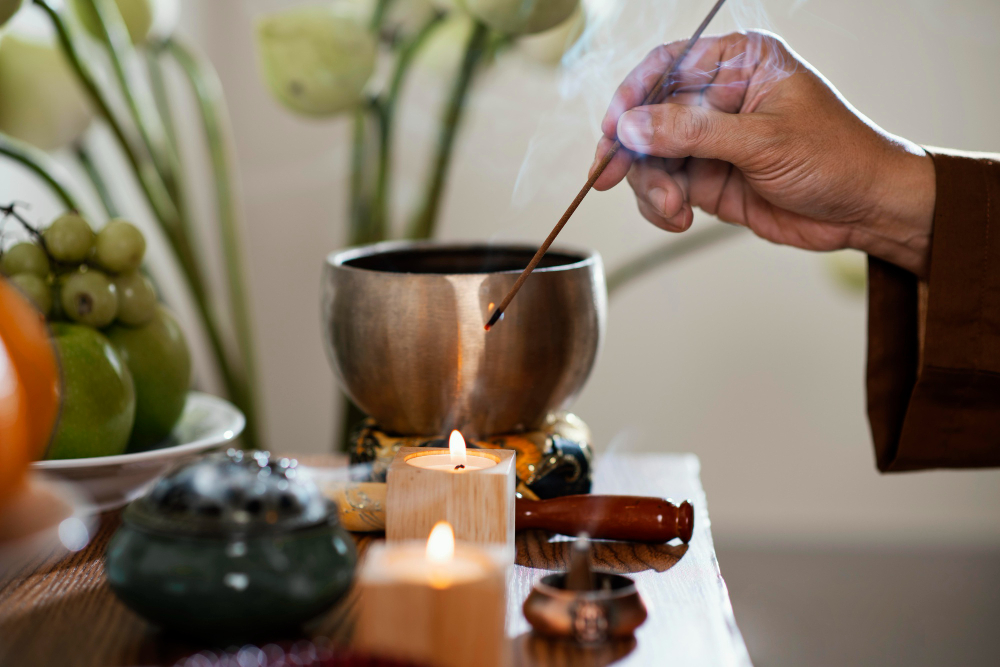
Addiction treatment is not a one size fits all process. Substance use can affect the brain, body, emotions, relationships, and sense of purpose, so effective recovery often requires more than addressing substance use alone. Western medicine brings clinical assessment, evidence based therapies, medical care, and structured treatment programs to the recovery process. Eastern healing traditions often emphasize balance, mindfulness, lifestyle, and the connection between mind and body. When thoughtfully incorporated into an individualized treatment plan, these perspectives can offer complementary tools for people working toward lasting recovery.
Understanding the Difference Between Eastern and Western Medicine
The terms Eastern medicine and Western medicine describe broad traditions rather than two completely separate systems. Western medicine generally relies on modern biomedical science, clinical research, diagnosis, and treatments that have been evaluated for safety and effectiveness.
Eastern healing traditions include diverse systems and practices that developed across parts of Asia. Depending on the tradition, these may include meditation, mindfulness, acupuncture, movement practices, breathing exercises, and other approaches focused on balance and overall well being.
These approaches should not be viewed as competing choices. Addiction recovery can benefit from evidence based clinical treatment while also recognizing the value of healthy routines, emotional awareness, and personal meaning.
Western Medicine Focuses on Clinical Needs
One major strength of Western addiction treatment is its ability to assess and address complex clinical concerns.
A professional evaluation may consider substance use history, withdrawal risks, physical health, mental health symptoms, medications, previous treatment, and environmental factors. This information helps treatment professionals determine an appropriate level of care.
For some people, that may involve inpatient treatment. Others may benefit from outpatient services that provide counseling and recovery support while allowing them to remain connected to home, work, or school.
The important point is that treatment should match the person’s needs rather than forcing everyone into the same program.
How Clinical Addiction Treatment Supports Recovery
Addiction is a complex condition, and professional treatment can provide structure during a time when life may feel unpredictable.
Behavioral Therapy Builds Practical Skills
Evidence based behavioral therapies can help people recognize connections between thoughts, emotions, situations, and substance use.
For example, someone may discover that conflict at home consistently increases cravings. Another person may use substances when experiencing anxiety or loneliness. Therapy can help individuals identify these patterns and develop healthier responses.
These skills become especially important after intensive treatment ends. Recovery requires the ability to handle real world stress without returning to substance use.
Mental Health Treatment Can Address Co Occurring Concerns
Addiction and mental health concerns can occur together. Anxiety, depression, trauma related symptoms, and other challenges may complicate recovery when they are not addressed.
Integrated mental health treatment can help professionals understand the bigger picture. Instead of focusing exclusively on substance use, clinicians can work with individuals to address emotional and psychological needs that may influence recovery.
This whole person perspective can make treatment more responsive and sustainable.
What Eastern Healing Traditions Can Contribute
Eastern approaches often place greater emphasis on balance, awareness, and daily practices that support overall wellness. While these practices should not replace necessary medical or psychological care, some can serve as complementary tools.
Mindfulness Can Help With Awareness
Mindfulness encourages a person to pay attention to thoughts, emotions, physical sensations, and surroundings without immediately reacting to them.
This can be useful during recovery because cravings and difficult emotions can feel overwhelming. Learning to notice an urge without automatically acting on it may create an opportunity to choose a healthier response.
Mindfulness is not a cure for addiction. Instead, it can be one practical skill within a broader recovery plan.
Breathing and Relaxation Can Support Stress Management
Stress is a common recovery challenge. Simple breathing exercises and relaxation practices may help some people become more aware of physical tension and emotional distress.
For example, taking several slow breaths before responding to a stressful situation can create a brief pause. That pause may make it easier to communicate calmly, reach out for support, or use another coping strategy.
Small practices can become meaningful when they are repeated consistently.
Lifestyle and Balance Matter
Eastern healing traditions frequently emphasize the relationship between everyday habits and overall well being. This idea also has an important place in addiction recovery.
Adequate sleep, nutritious food, physical activity, healthy social connections, and time for rest can help create greater stability.
Recovery is not built through one therapy session. It develops through daily decisions and routines that support healthier living.
Combining Eastern and Western Approaches Responsibly
The most useful question may not be whether Eastern or Western medicine is better. Instead, ask how appropriate elements of each approach can support an individual’s goals.
Clinical Treatment Provides the Foundation
When addiction involves significant withdrawal risks, serious medical concerns, or complex mental health symptoms, professional care is essential.
Medical and behavioral treatment can provide the assessment, monitoring, therapy, and structure necessary to address those needs safely.
Holistic practices can then be considered as complementary strategies when they are appropriate for the individual.
Holistic Care Can Complement Clinical Treatment
A person receiving outpatient therapy might also practice mindfulness at home. Someone participating in residential treatment may benefit from structured physical activity, relaxation techniques, or reflective practices when these are available and clinically appropriate.
The key is coordination.
People should tell their healthcare providers about supplements, herbs, acupuncture, or other complementary practices they are using. Some products and treatments can interact with medications or may not be appropriate for certain medical conditions.
A holistic approach should expand responsible care, not compromise it.
The Importance of Individualized Addiction Treatment
Perhaps the most important lesson from both approaches is that every recovery journey is different.
A person may need intensive inpatient treatment because substance use has become dangerous or difficult to control. Another individual may be appropriate for outpatient care. Someone else may need substantial mental health support before they can make meaningful progress in addiction recovery.
Treatment should account for these differences.
Recovery Goals Should Reflect the Individual
An individualized treatment plan can consider:
- Substance use history
- Physical and mental health needs
- Withdrawal and safety concerns
- Family relationships
- Social support
- Personal beliefs and values
- Stress and relapse triggers
- Work or school responsibilities
- Long term recovery goals
This approach allows treatment to address the person behind the diagnosis.
Where Faith and Spirituality May Fit Into Recovery
For some people, spirituality is an important source of hope and motivation. Faith based recovery can provide a framework for forgiveness, accountability, connection, and purpose.
Spirituality does not have to look the same for everyone. Some people find strength through organized religion, while others connect with personal reflection, service, community, or a renewed sense of purpose.
When included in care, spiritual support should respect the individual’s beliefs and preferences.
Moving From Treatment to Long Term Wellness
One of the biggest challenges in addiction recovery is maintaining progress after structured treatment ends.
This is where the lessons of clinical and holistic approaches can come together.
Clinical care can provide relapse prevention strategies, counseling, mental health support, and continuing care. Holistic practices can help individuals build routines that support stress management and emotional awareness.
Create a Personal Recovery Toolkit
A practical recovery toolkit might include:
- Regular counseling or recovery meetings
- A reliable sleep routine
- Physical activity
- Mindfulness or breathing exercises
- Healthy nutrition
- Supportive relationships
- Personal or spiritual reflection
- A plan for responding to cravings
- Professional help when symptoms become difficult to manage
The goal is not perfection. Recovery involves learning what works, recognizing setbacks early, and continuing to make healthier choices.
Choosing the Right Approach for Your Recovery
There is no universal treatment formula for addiction. The right approach depends on the person’s health, substance use history, mental health needs, support system, and recovery goals.
If you are considering holistic practices, discuss them with your treatment team. Ask how they can safely complement your existing care. Most importantly, do not delay evidence based medical or mental health treatment when it is needed.
A compassionate treatment plan should give you room to be heard, understood, and actively involved in your recovery.
Conclusion
Comparing Eastern and Western approaches to addiction treatment does not have to be about choosing one tradition over another. Western medicine offers valuable clinical tools, including professional assessment, behavioral therapy, medical care, and structured inpatient and outpatient treatment. Eastern healing traditions can offer complementary lessons about mindfulness, balance, stress management, and whole person wellness.
Together, these perspectives can reinforce an important principle: lasting recovery involves the whole person.
If addiction or mental health concerns are affecting your life, reaching out for professional support is a meaningful first step. You do not have to understand every treatment option before asking for help. A qualified care team can help you identify your needs, explore appropriate services, and develop a personalized path toward recovery.
Healing takes time, patience, and support. With the right combination of clinical care, healthy practices, meaningful relationships, and personal commitment, recovery can become more than freedom from substances. It can become the foundation for a healthier and more purposeful life.